Gaggia Classic Pro (E24): A Single Boiler for People Who Like Straight Espresso
The Gaggia Classic Pro is our pick for people who drink straight espresso and enjoy learning the machine. Gaggia's page gives a 58 mm filter holder and a brass boiler. Per retailers it's a single boiler with a 9 bar over-pressure valve and no PID. It needs a separate grinder, and milk drinks take some waiting.
Disclosure: This page contains affiliate links (marked with *). If you buy through them, we earn a small commission at no extra cost to you. As an Amazon Associate I earn from qualifying purchases. Learn more
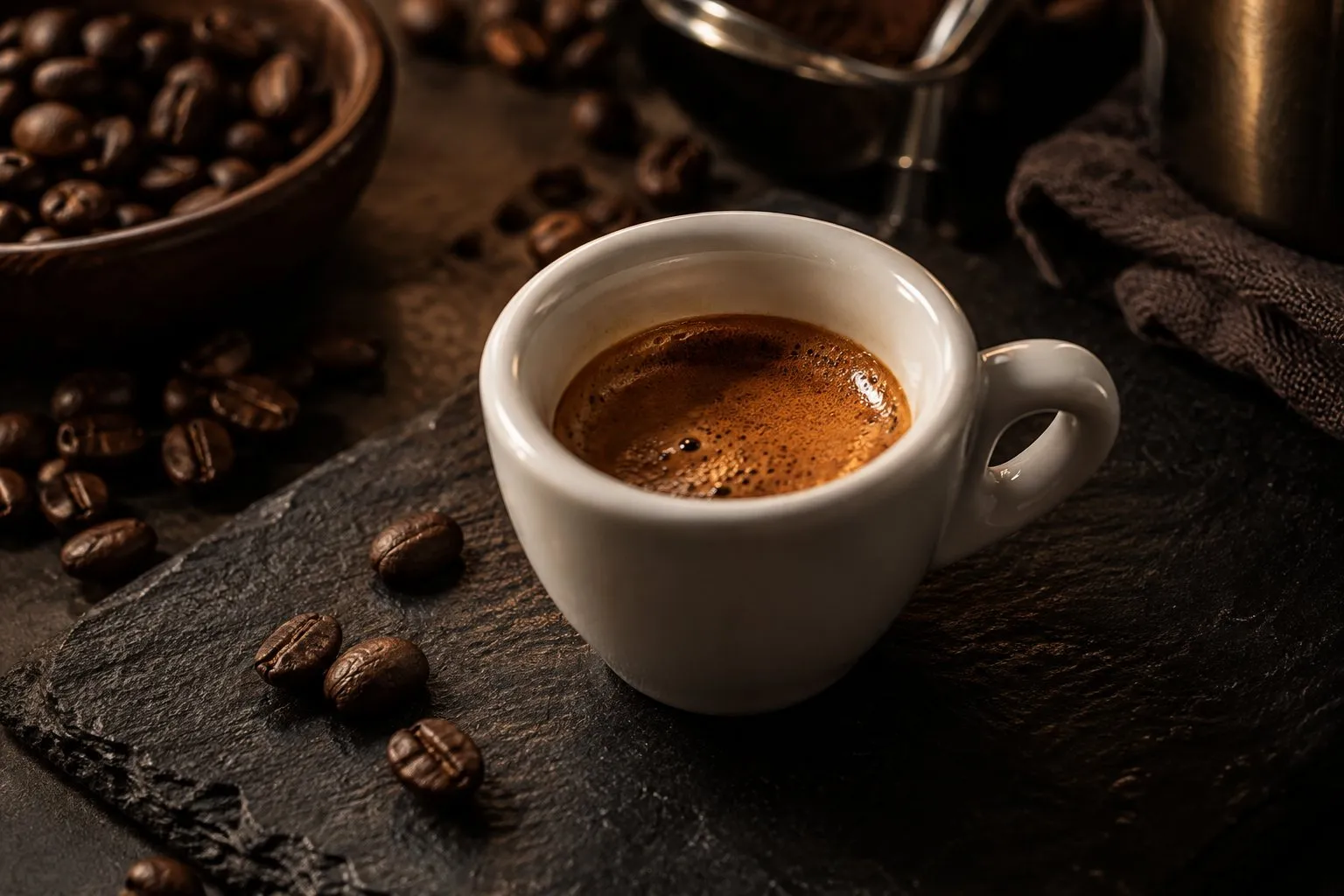
Buy the Gaggia Classic Pro or E24 if you drink espresso straight and want a simple machine with tools that fit a 58 mm portafilter, per Gaggia. Skip it if you make several milk drinks in a row or want a machine that holds your hand. Budget for a separate grinder too.
On this page
This is the machine people mean when they say they want to learn espresso properly. It's also the one most likely to disappoint someone who just wanted a latte before work.
A note on our evidence. Gaggia's own E24 page gives the filter holder, pump, boiler and valve. The 9 bar spring and the missing PID come from retailers and are labeled that way. For daily use we read Gaggia's US manual, titled Classic Pro RI9380, the number on Amazon's listings. Follow the one in your box.
Who it suits, and who it doesn't
- Straight espresso drinkers who want to learn by weighing and adjusting
- Tool buyers: a 58 mm filter holder, per Gaggia, suits many tampers and funnels
- Simple controls: buttons and a knob, per the manual
- No grinder in the box, so you need a separate one that can go fine
- No PID, per retailers, so temperature is partly your job
- One boiler takes turns between brewing and steaming, so milk drinks mean waiting
- Beginners who want help will find little of it
Technical data
| Value | What we found | Source |
|---|---|---|
| Heating | Single boiler, one Evo Pro listing gives 3.5 oz; lead-free brass | Per retailers; Gaggia |
| Pump | 15 bar nominal | Gaggia |
| Portafilter | 58 mm, stainless steel | Gaggia |
| Over-pressure valve | 9 bar | Per retailers |
| PID | None | Per retailers, Serious Eats |
| Three-way solenoid | Yes | Gaggia |
| Baskets | “Crema perfetta” filter, plus traditional single and double | US manual |
| Price class | Mid-range | Our classification |
Retailers disagree on a boiler coating, so we state neither version.
The same machine appears under several listings: E24 in brushed steel*, Thunder Black*, Cherry Red*, and the Evo Pro in grey*, white* and blue*. Compare the model number and the description on the day.
Start with the easy filter, then leave it
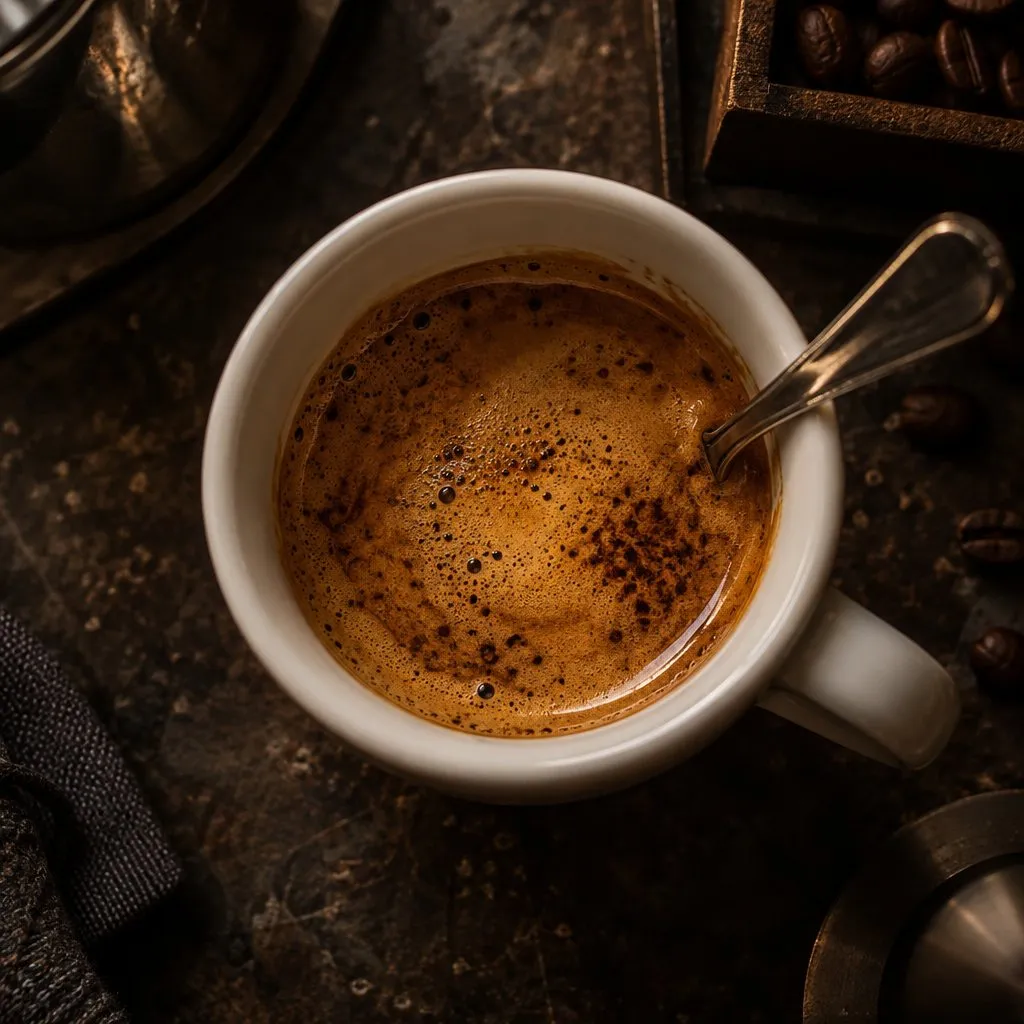
The US manual describes a “crema perfetta” filter that gives you crema from the first day, and says to move on to the traditional filters once you have the skill. Crema shows CO2, so freshness and roast. It says little about flavor. The traditional filters are where dialing in starts to pay off. Note that the manual pairs the crema perfetta filter with its frothing jet device, and warns that coffee can squirt out and burn you without it.
Daily use, from the manual
- Heat-up. Leave the portafilter in the machine so the group stays hot, and wait a few minutes for the coffee light. The manual has you run a cup of water through first.
- Steam. Press the steam button and wait 15 to 20 seconds, until the steam light comes on. Purge the wand briefly, then steam. The manual says not to steam for more than 60 seconds at a stretch, because that can empty the boiler.
- Back to coffee. The boiler is now too hot to brew. Without the portafilter, run a cup of water through the group to bring it down, or the next coffee may taste burnt.
- Cleaning. Wash the filter daily, wipe and purge the wand after each use, and brush the screen regularly. How to clean an espresso machine compares the manuals.
- Descaling. The US manual titled Classic Pro RI9380 says “every 2-3 months” in its tips and “every 2 months” in its care section. The Classic Evo RI9481 manual prints the same two lines. Use Gaggia's own descaler, the manuals say, not vinegar or other agents. The cycle involves about 20 minutes of soaking and several tanks of rinse water. Our descaler page compares makers.
Always follow the burn warnings in your manual. The wand and the group get very hot, and the same manual warns about water left on the coffee when you take the portafilter out.
Grinder and tools
You will need a grinder that goes fine and moves in small steps. Our grinder guide has the choices. Two are easy matches for 58 mm: the Breville Smart Grinder Pro* has a 58 mm cradle (Breville), and the Baratza Encore ESP* has a dosing cup with a 58 mm adapter (Baratza). A scale comes next, and the accessories page sorts the rest.
Mods: what they risk
People search for PID kits, solenoid parts and bottomless portafilters, and the Normcore 58 mm bottomless portafilter* is listed for this machine. A bottomless portafilter is the easy end: it shows you how the shot runs, and it doesn't touch the wiring. Check the fit against your model.
PID kits are a different matter. They mean working on mains wiring beside water and steam, and we give no instructions for that. Have a qualified technician do it, if at all. Gaggia's Classic Evo manual also says that using parts from other makers, or parts it doesn't recommend, voids the warranty, so read your warranty terms before you add anything.
What others report
America's Test Kitchen (July 2, 2025) calls it a compact, simple machine, and its complaints are a steam wand with limited grip and a messy spurt at the end of the brew. Serious Eats (copy dated May 2, 2023) notes weak steam pressure and says you have to watch the boiler temperature, because there's no PID. We don't pass on buyer reviews.
Alternatives
- Want help, not homework? The Breville Bambino* is compact and ready in 3 seconds (Breville), with a 54 mm portafilter.
- Want the grinder included? The Breville Barista Express puts it in one body.
- Want a sturdier single boiler? The Rancilio Silvia* sits a price class higher. Rancilio gives a 0.3 L boiler, retailers give 58 mm, and America's Test Kitchen recommends it with reservations, partly for the long heat-up.
- Staying with one boiler? Single boiler machines and Gaggia's range have more.
- Still comparing? All our picks, side by side puts this machine next to the others, and Gaggia Classic against Silvia settles that choice.
Asked at the bar
What size is the Gaggia Classic Pro portafilter?
58 mm. Gaggia's own E24 page lists a “Professional stainless-steel filter-holder (58 mm)”, and retailers including Whole Latte Love say the same. Check the fit of any tool against your own portafilter or the listing before you rely on it, especially for parts sold as fitting several models.
Does the Gaggia Classic Pro have PID?
No, per retailers. Serious Eats also lists it without one, in a copy dated May 2, 2023. PID retrofit kits are a common search, but they are outside what we cover: they involve mains wiring beside water and steam, and Gaggia's manual says parts from other makers void the warranty.
How often should I descale a Gaggia Classic?
Gaggia's documents give two figures. The US manual titled Classic Pro RI9380 says “every 2-3 months” in its tips and “every 2 months” in its care section, and the Classic Evo RI9481 manual prints the same two lines. Both ask for Gaggia's own descaler and warn against vinegar. The cycle takes about 20 minutes of soaking plus rinse water.
Is the E24 the same as the Classic Pro or Evo Pro?
Amazon sells the machine under all three names, in several colors, with RI9380 model numbers. Gaggia's US manual is titled Classic Pro RI9380, which ties that name to the number. We found no Gaggia document that maps E24 and Evo Pro to it, so read the model number on the listing you buy.
Where this comes from
- Gaggia: Classic E24 product page
- Gaggia: US operating instructions titled Classic Pro, RI9380
- Gaggia: Classic Evo (RI9481) operating instructions, copy on a third-party server
- Whole Latte Love: Gaggia Classic Pro listing
- America's Test Kitchen: espresso machines, July 2, 2025
- Serious Eats roundup, read through a Yahoo copy dated May 2, 2023
Next round
 Best machines comparedThe best semi-automatic espresso machines compared by spec sheet, from budget to premium: one pick per need, what each one lacks, and which outside tests agree.
 Espresso grindersWhat makes a grinder suitable for espresso: burrs, small steps and clean dosing. One clear pick, the alternatives sorted by routine, and honest notes on the data.
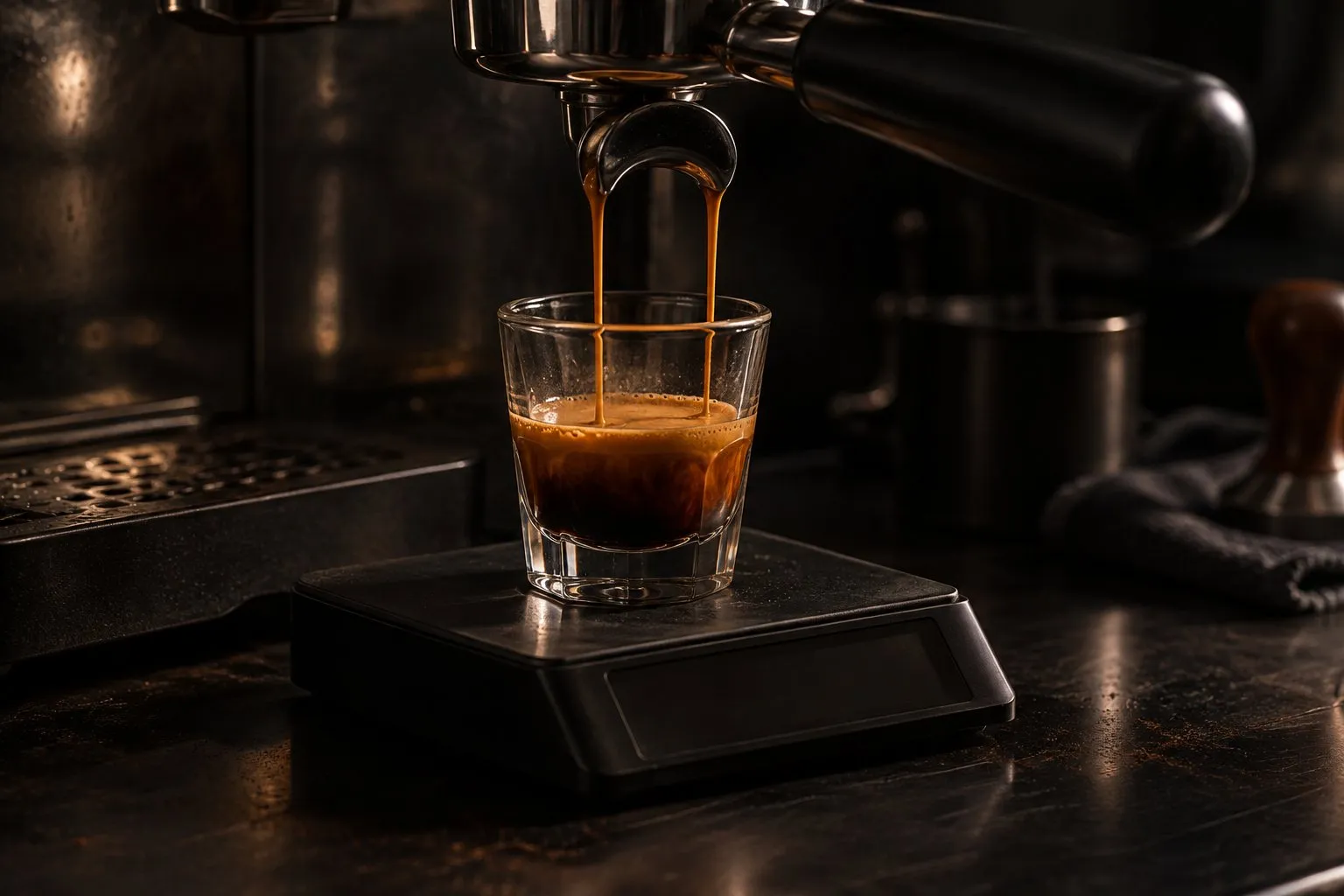 Dial in espressoHow to dial in espresso: fix the dose, set a yield, then change only the grind until time and taste line up. Steps, a symptom table and the exception to the rule.
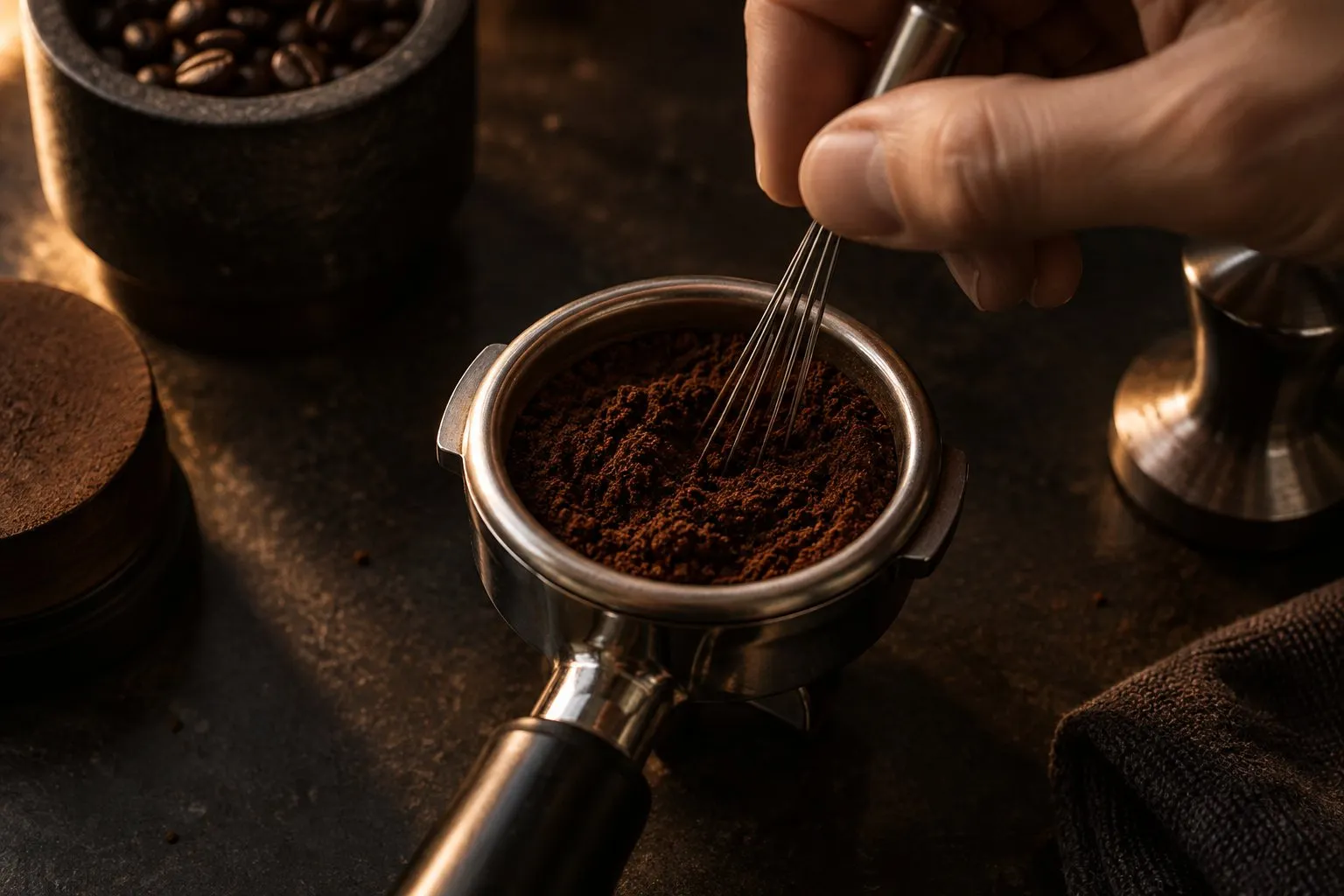 AccessoriesWhich espresso accessories are worth buying first: scale, tamper, pitcher, WDT tool and more, sorted by portafilter size, with what your machine already includes.
semiautomaticespressomachine.com Editorial Team
Espresso gear & shot craft
We are the editorial team at semiautomaticespressomachine.com. We read maker spec sheets, manuals, standards and published research on espresso and turn them into plain-English buying advice, with sources on every page. We do not run lab tests, and we say so openly.
- Spec sheets & standards read
- Sources on every page
- No lab tests – stated openly
- Publisher details in the imprint