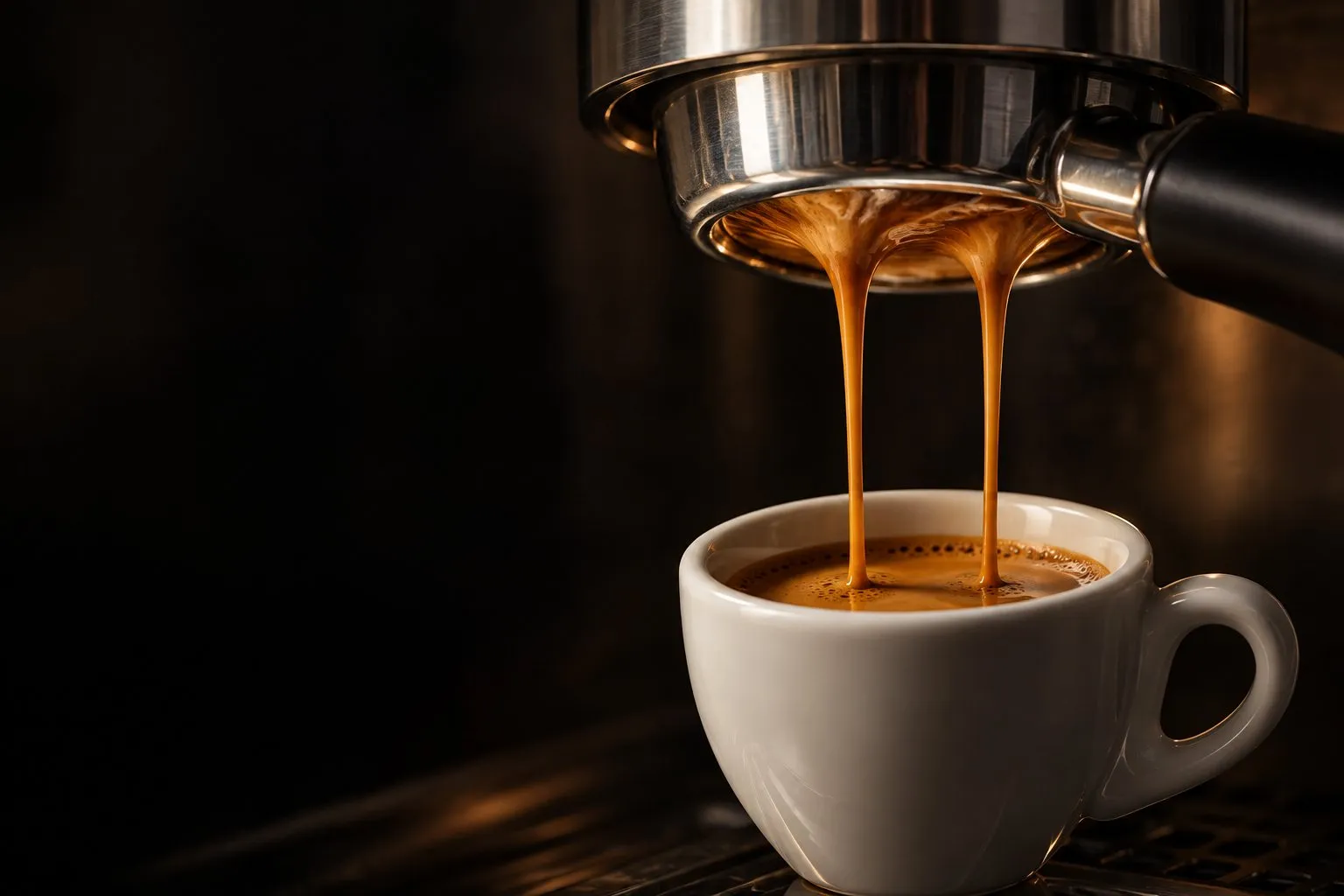
Semi-Automatic Espresso Machines, Chosen by What You Actually Drink
Pick by what you drink, not by the bar number on the box. You grind, dose, tamp and stop the shot; the machine supplies pressure and heat. Espresso is brewed at about 9 bar, whatever the label says.
- Compared by spec sheet, no lab
- 9 ± 1 bar, not the number on the box
- Sources on every page
Image: AI-generated (OpenAI)
Disclosure: This page contains affiliate links (marked with *). If you buy through them, we earn a small commission at no extra cost to you. As an Amazon Associate I earn from qualifying purchases. Learn more
Only buying one thing? Make it the Breville Barista Express*: grinder, PID and a 54 mm portafilter in one body.
A semi-automatic espresso machine is a pump-driven espresso machine in which you grind, dose and tamp the coffee yourself and start and stop the shot, while the machine supplies the water pressure and temperature. For one box, take the Breville Barista Express. To choose your grinder yourself, take the Breville Bambino. Ignore the 15 or 20 bar on the label.
The Bar
Seven ways in, each behind a photo. Start with the drink you already order, or with the question that keeps you from buying. Every topic ends in something you can act on.
If you would rather see all the machines side by side, the full comparison by spec sheet has every pick with its boiler type, portafilter size and price class in words.
Pick by what you drink
Your morning drink decides more than the number on the box. A milk drinker needs steam without fuss. A straight-espresso drinker needs a machine worth tuning. Here are four drinkers and one machine each.
Still between two answers? These four rows settle most of it.
If you want one box and no grinder to choose → Breville Barista Express
View(paid link to Amazon, opens in a new tab)Ad · paid link · check price & delivery on AmazonIf you want to choose the grinder and replace it later → Breville Bambino
View(paid link to Amazon, opens in a new tab)Ad · paid link · check price & delivery on AmazonIf your budget is the main limit
If you only want to press a button
The Breville Barista Express* stays our pick for one box. America's Test Kitchen named it best overall in its roundup of 2 July 2025, and Breville lists a grinder with 16 settings, PID and a 54 mm portafilter. It is not the right machine for everyone, and our page on the Barista Express says who it does not fit. For the classic route, read the Gaggia Classic Pro page first.
Find your machine
Four questions, one machine, with the reason next to it.
Weigh the shot. Ignore the bar number.
Know before you buy
Five things product pages often get wrong or leave out. Each one changes what you should buy, or what you should stop worrying about.
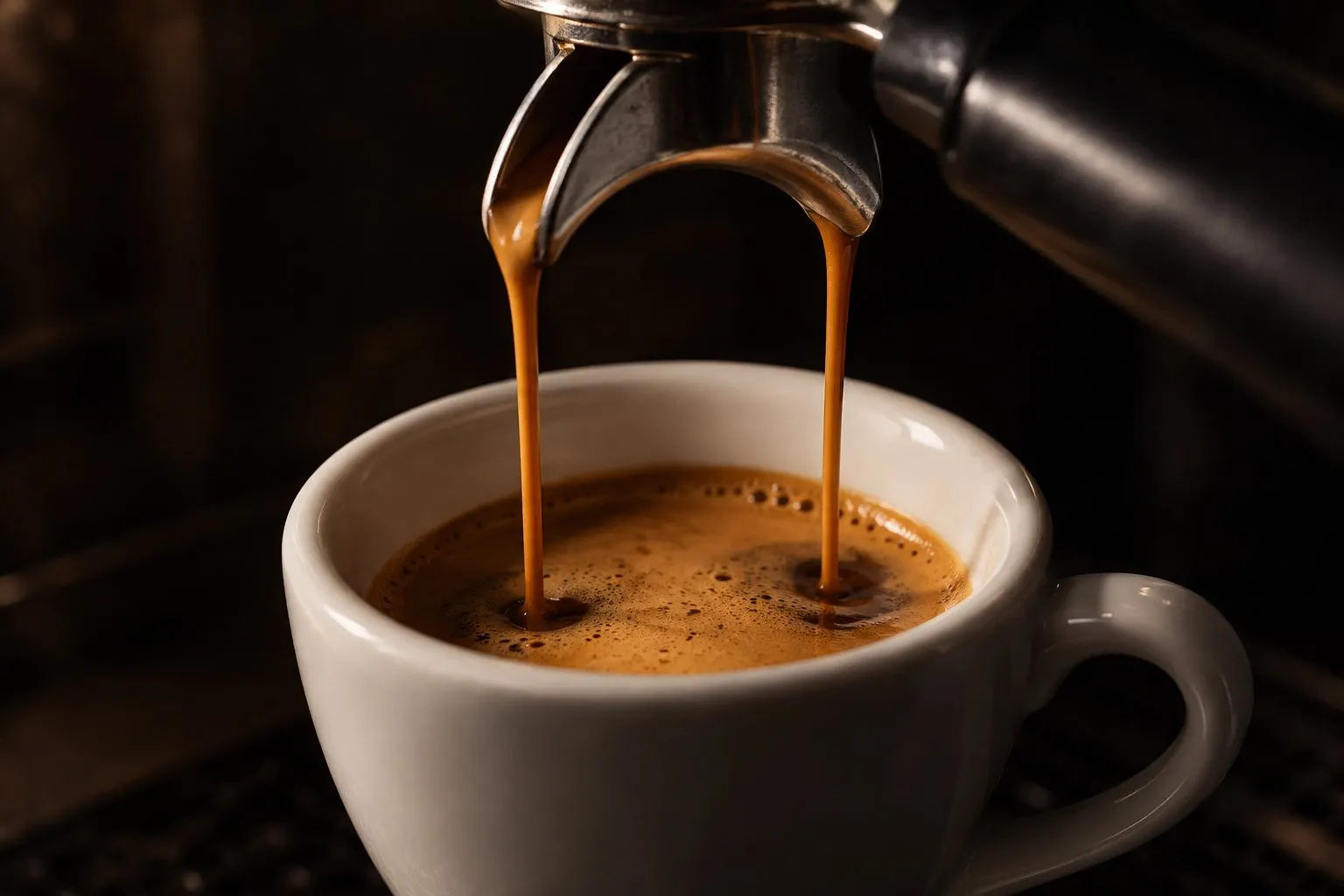
The 15 or 20 bar on the box is what the pump can reach
Espresso is brewed at about 9 bar. The Italian standard (INEI) specifies 9 bar, plus or minus 1, at the entry, and Breville lists "15 bar pump" and "9 bar extraction" side by side. So a bigger number on an Amazon title tells you about the pump. It says nothing about the shot in your cup.
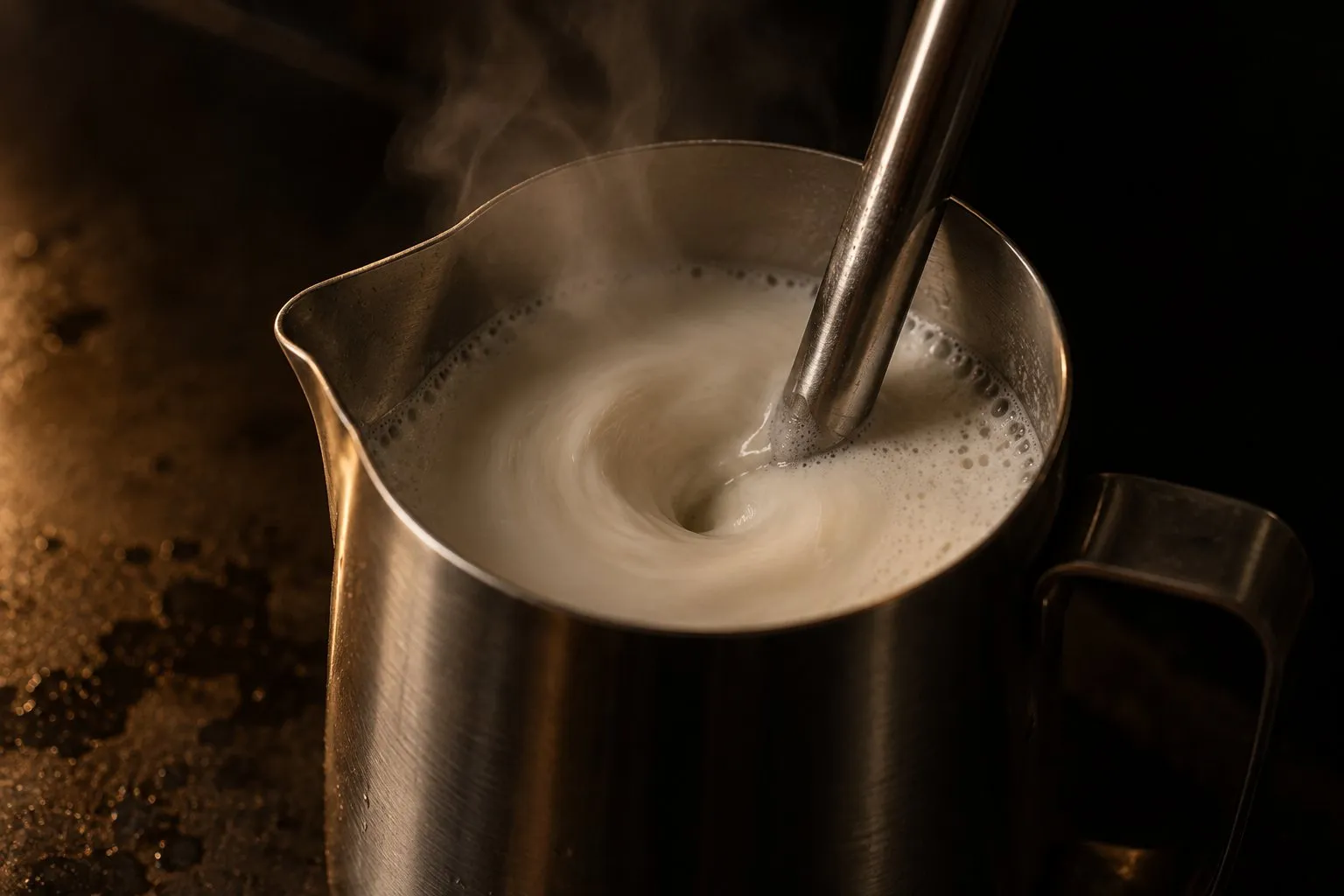
Boiler type decides how you make milk drinks
A single boiler takes turns between brewing and steaming. A dual boiler does both at once. A heat exchanger runs brew water through a pipe inside a steam boiler, and a thermoblock or thermocoil heats water on demand in a metal block. Budget titles that say "dual boiler" may mean two heating units, so we have not taken that word at face value.
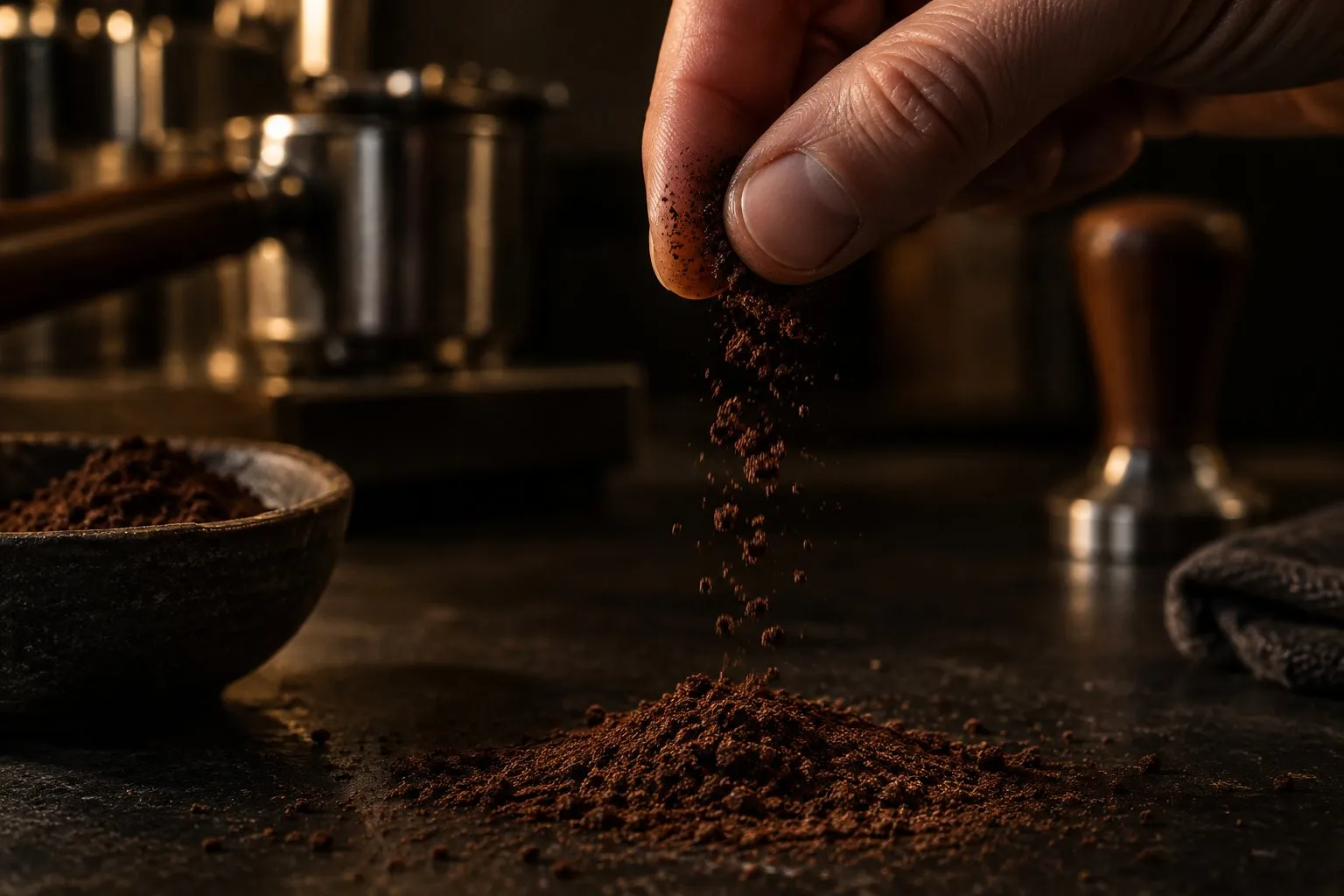
A built-in grinder is not automatically the cheaper route
At full price the separate pair is cheaper; on sale they cost the same. Check both on the day. The bigger difference comes later: a separate grinder can be replaced on its own, while a built-in one stays with the machine. Machines with a grinder inside and separate espresso grinders each have their own page.
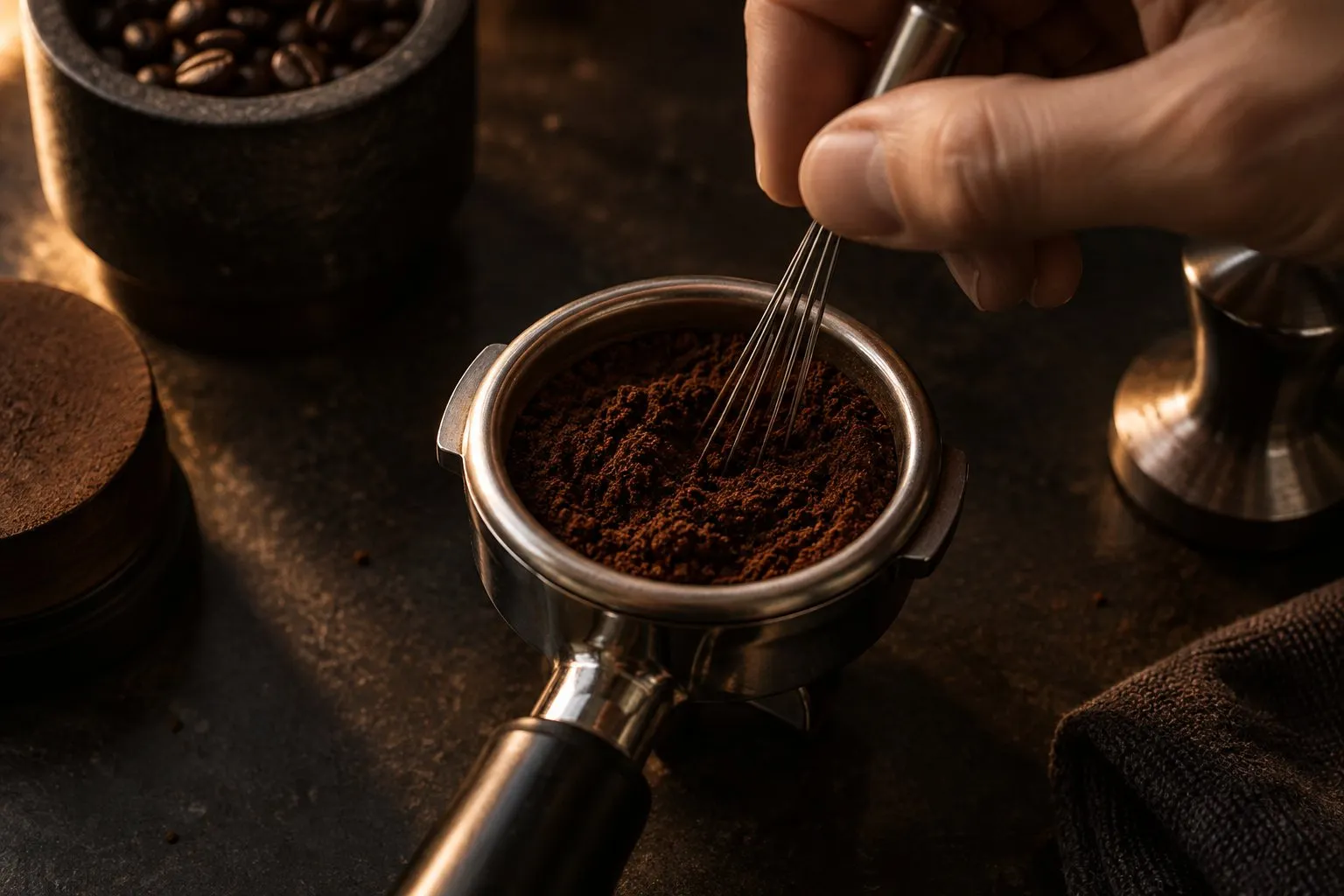
Puck preparation beats brute force
Press until the coffee stops compressing, and keep it level. Force above that adds nothing measurable in the one test we found. Stirring out clumps with a thin-needle tool and weighing your dose are the next things to look at. The accessories guide sorts these tools by portafilter size.
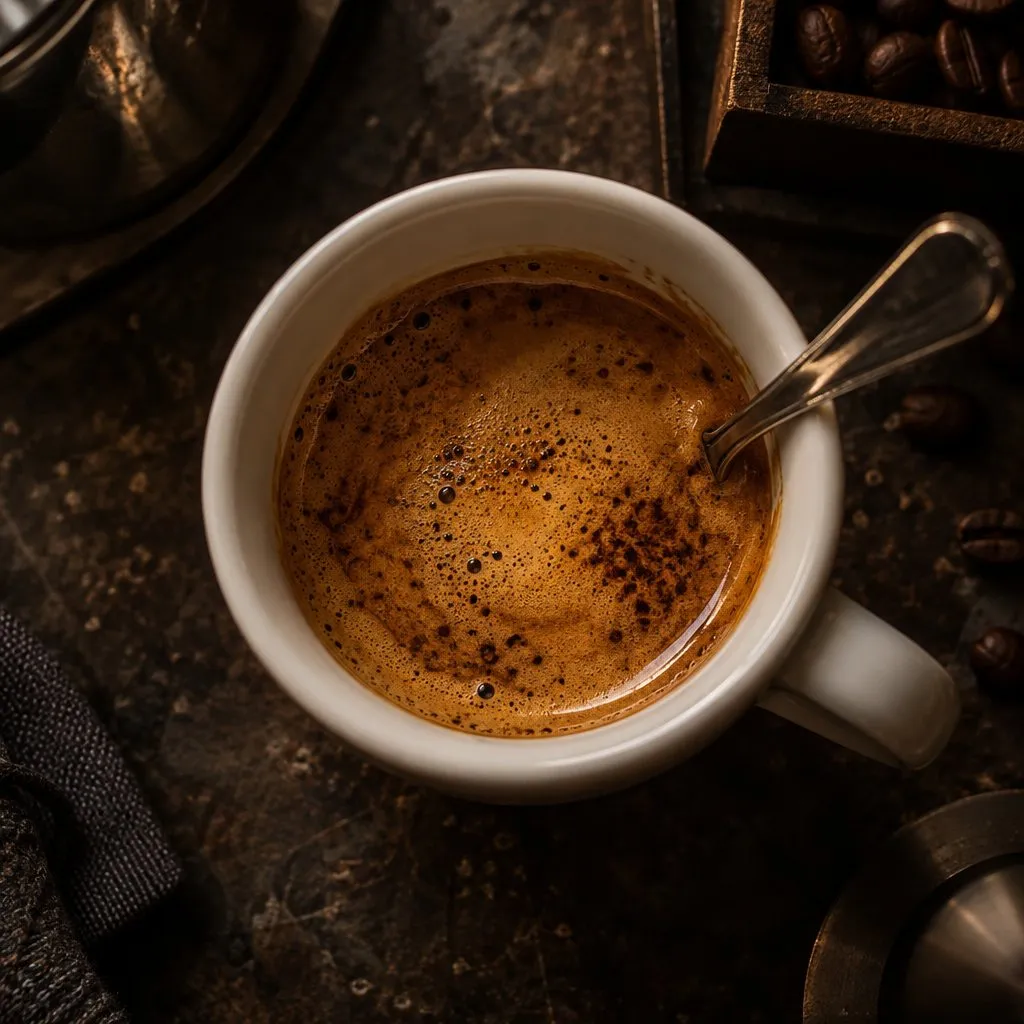
Crema shows CO2, so freshness and roast
It says little about flavor. Illy and Navarini's 2011 review also calls the supposed role of robusta in crema substantially contradicted by recent data. Drink terms are just as loose: a flat white has less milk than a latte and a thin layer of microfoam, and shot type and size differ by café.
Work out your yield
A good first recipe is 18 to 22 g of coffee at a 1:2 ratio in 25 to 30 seconds, as Breville's guide gives it. That is a good first recipe, not a standard. Italy's certified espresso is 7 g to 25 ml. Set your dose and read the yield for three common ratios, then follow the dial-in guide from there.
Target in the cup
36 g1.3 oz
Plain arithmetic. The ratios are starting points from Breville's guide, not a standard.
We compare by spec sheet, standards and published sources, and we do not run lab tests. How we compare explains how a machine becomes a pick, and which outside tests exist if you want a second opinion.
Asked at the bar
What does semi-automatic mean on an espresso machine?
You grind, dose and tamp the coffee yourself and start and stop the shot, while the machine supplies the water pressure and temperature. Models with programmed shot buttons are still sold as semi-automatic. A machine that also grinds, doses and tamps without your hands is a super-automatic.
How many bar does an espresso machine need?
The 15 or 20 bar on the box is what the pump can reach. Espresso is brewed at about 9 bar. The Italian espresso standard (INEI) specifies 9 bar, plus or minus 1, at the entry, and Breville lists a 15 bar pump and 9 bar extraction side by side on its own product pages.
Do I need a separate grinder?
You need an espresso-capable grinder, built in or separate. A built-in grinder means one box and one decision. A separate grinder can be upgraded later without touching the machine. At full price the separate pair is cheaper; on sale they cost the same. Check both on the day.
Is a semi-automatic machine hard for a beginner?
It takes practice, because grind, dose and yield all change the cup. A scale and one change at a time keep that practice easy to follow. If you already know you do not want those steps, a super-automatic does them for you, and our comparison of both routes shows what you give up.
Can a single boiler make milk drinks?
Yes. A single boiler takes turns between brewing and steaming, so you pull the shot first and then wait for steam heat. A dual boiler does both at once. For one or two milk drinks in a morning the wait matters little; for several in a row it starts to matter. Wait times differ by model.
Where this comes from
- Sage/Breville: semi-automatic vs automatic espresso machines
- INEI: Certified Italian Espresso leaflet
- Breville: BES870 Barista Express product page
- Breville: BES450 Bambino product page
- Breville: BES500 Bambino Plus product page
- Breville: BES920 Dual Boiler product page
- Breville: how to dial in espresso
- Illy and Navarini: review on espresso foam (Food Biophysics, 2011)
- Seven Miles Coffee Roasters: tamping test
- Starbucks at Home: flat white recipe
- America's Test Kitchen: espresso machines, 2 July 2025
Next round
- Best machines comparedThe best semi-automatic espresso machines compared by spec sheet, from budget to premium: one pick per need, what each one lacks, and which outside tests agree.
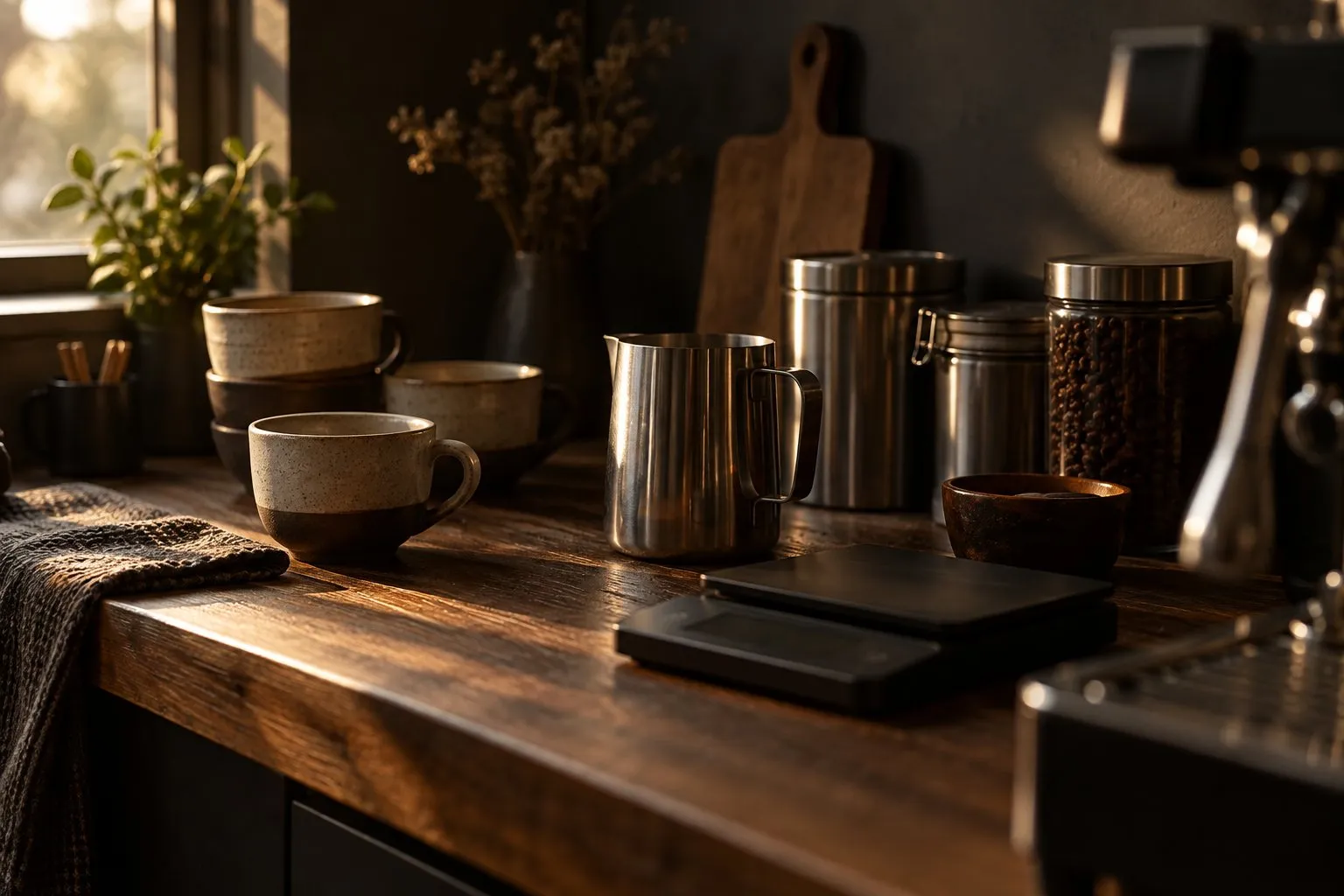 For beginnersThe beginner espresso machine to buy first, and in which order: machine, espresso-capable grinder, scale. Our pick is the Breville Bambino, with budget options.
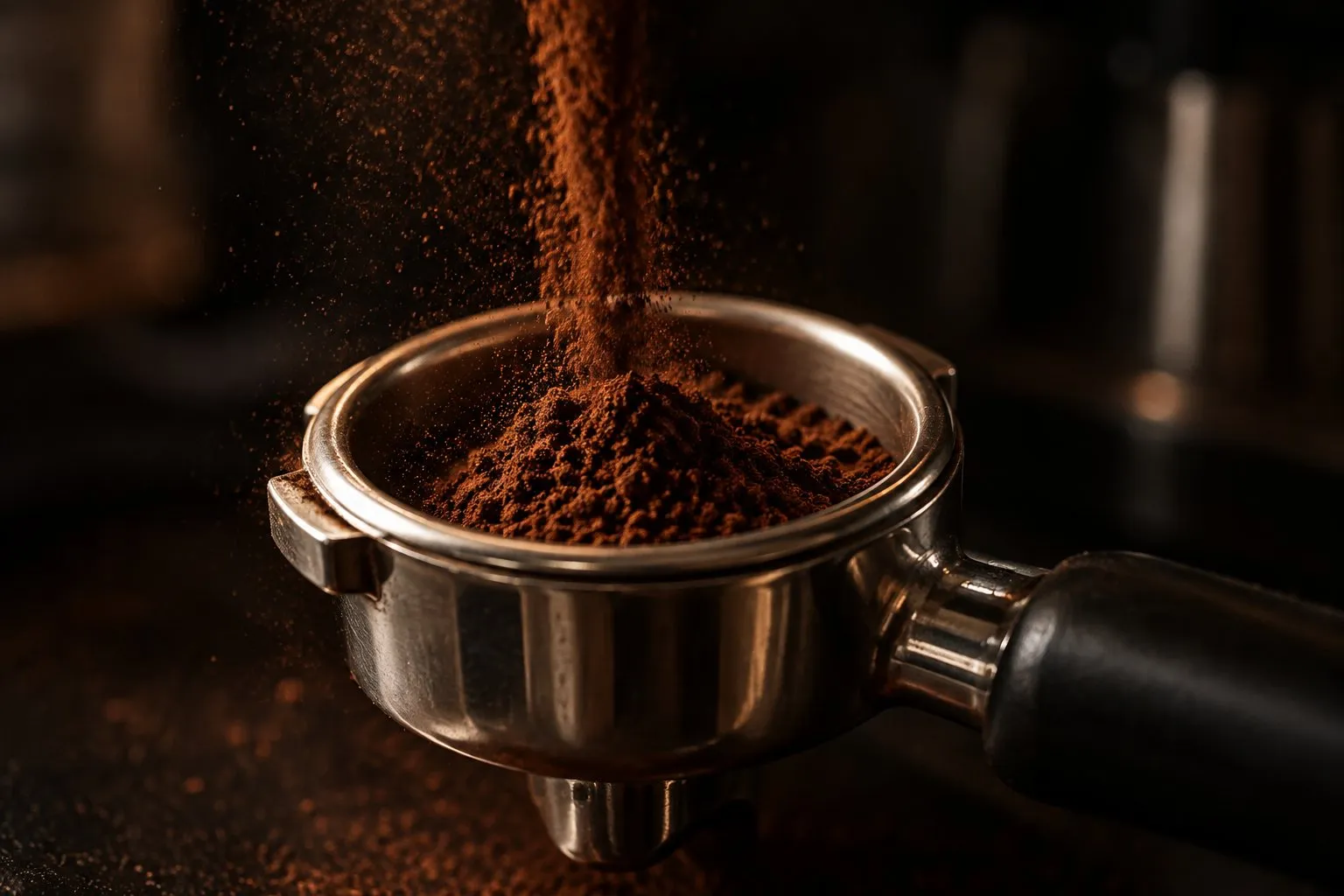 With grinderEspresso machines with a built-in grinder compared by spec sheet: Barista Express, Impress, Pro and Touch, plus Ninja, De'Longhi, KitchenAid, Gevi and CASABREWS.
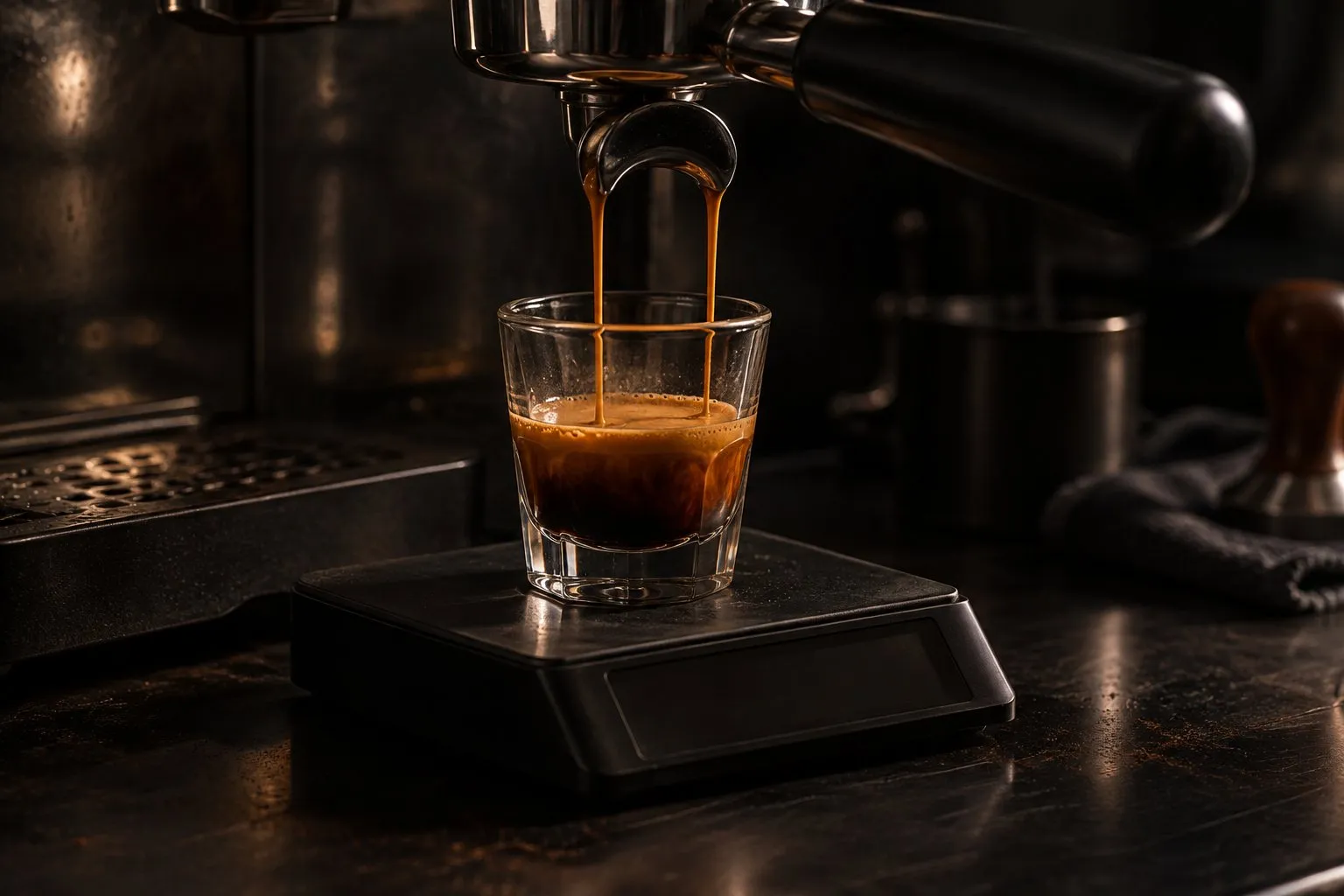 How we compareHow our espresso machine picks come about: spec sheets, standards and published research, what we cannot verify, which outside tests exist, and how we are funded.
semiautomaticespressomachine.com Editorial Team
Espresso gear & shot craft
We are the editorial team at semiautomaticespressomachine.com. We read maker spec sheets, manuals, standards and published research on espresso and turn them into plain-English buying advice, with sources on every page. We do not run lab tests, and we say so openly.
- Spec sheets & standards read
- Sources on every page
- No lab tests – stated openly
- Publisher details in the imprint