Gaggia Espresso Machines: The Classic, the Rest of the Range, and What Gaggia Documents
For semi-automatic buyers, Gaggia mostly means one machine: the Classic, sold on Amazon as E24, Classic Pro and Classic Evo Pro. It's our pick for people who drink straight espresso and like learning. Gaggia's page gives a 58 mm filter holder. Per retailers it's a single boiler with a 9 bar over-pressure valve and no PID.
Disclosure: This page contains affiliate links (marked with *). If you buy through them, we earn a small commission at no extra cost to you. As an Amazon Associate I earn from qualifying purchases. Learn more
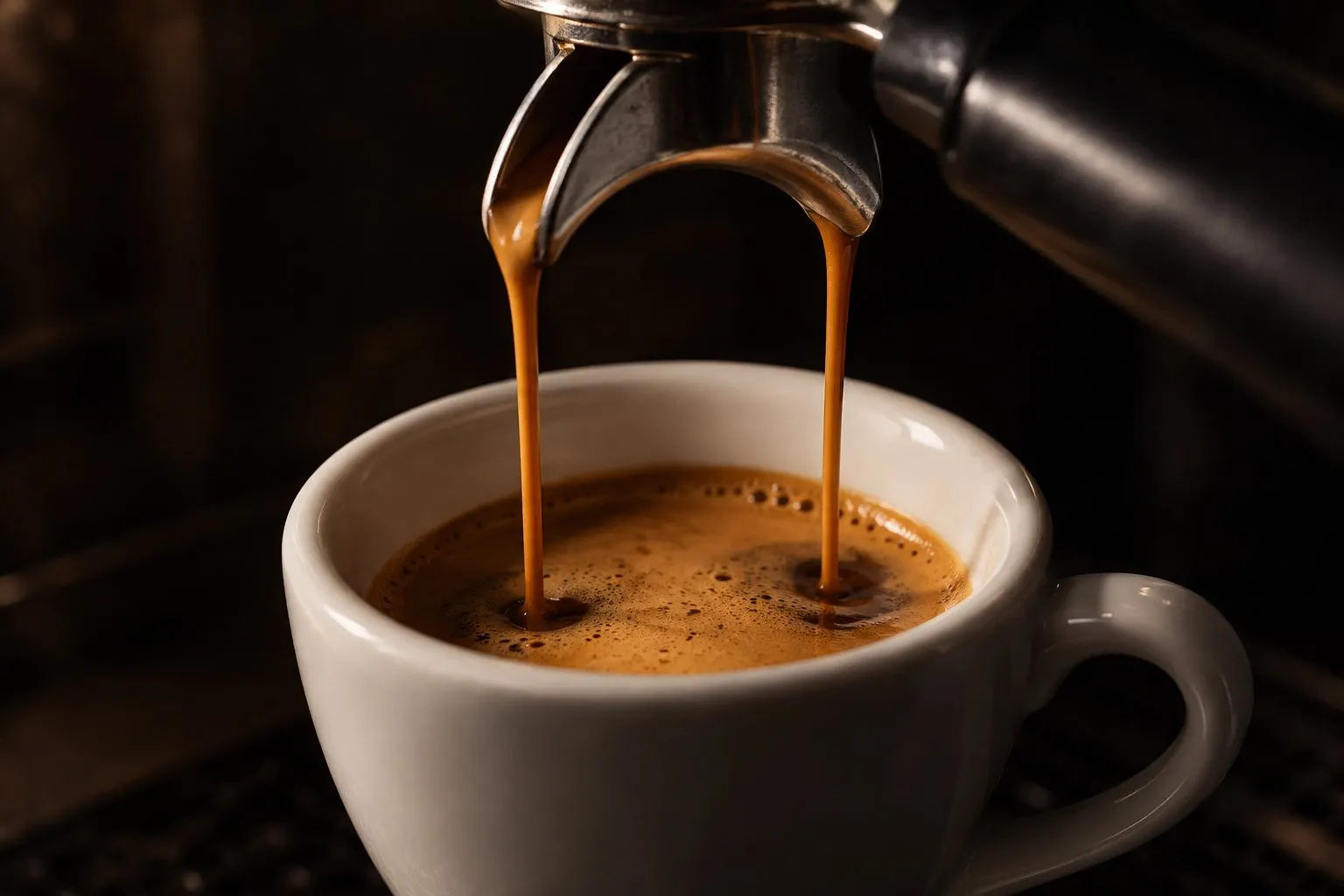
Buy a Gaggia Classic if you drink espresso straight and want a simple single boiler with tools that fit a 58 mm portafilter, per Gaggia. Read the RI9380 number on the listing, because the names overlap. Skip it for several milk drinks in a row. Gaggia's automatic machines are a different category that this site doesn't cover.
On this page
Gaggia's name turns up in almost every conversation about home espresso, and most of those conversations are really about one small steel box. This page sorts out the brand and its names. For the machine itself, go to our Gaggia Classic Pro page.
Who is behind Gaggia
Gaggia's history page starts with a patent. Achille Gaggia filed patent no. 365726 on September 5, 1938, for what he called the “Lampo” system, which used hot water pressure in place of steam, and showed it at a Milan trade fair in 1939. A second patent followed for a lever-piston mechanism, and Gaggia's own timeline runs on from there through commercial machines and then home ones. It describes its Baby as the first mass-produced espresso machine for home use, which is the company's own claim. If you are interested in the bigger picture, the history of the espresso machine covers it.
Ownership has moved on since. The same page says Saeco took a majority share and production moved to Saeco's base at Gaggio Montano near Bologna, and that Royal Philips later took the majority share together with Saeco. It places Classic EVO in 2023. We read this as the brand telling its own story, so we report it and leave the wider corporate questions to others.
The range, sorted
Gaggia files these machines under “manual machines”. By our definition, they are semi-automatic: you grind, dose and tamp, you start and stop the shot, and the machine supplies the water pressure and temperature.
| Line | Where it sits | What we can say |
|---|---|---|
| Classic E24, Classic Pro, Classic Evo Pro | Single boiler, what Amazon sells under RI9380 numbers | 58 mm per Gaggia; our pick for straight espresso |
| Classic GT, Classic Up, E24 Energy Vibes | On Gaggia's menu | Names only, so we make no claim |
| Espresso Deluxe, Espresso Style | Gaggia's other manual machines | Gaggia lists 53 mm double-wall filters, PID and 230 V, so check before assuming US availability |
| Accademia, Cadorna Prestige, Magenta Prestige | Gaggia's automatic machines | Outside this site, see semi vs super-automatic |
| MDF 55, MD15 | Gaggia's grinders | On the menu; we haven't compared them |
The 53 mm models are worth a second look if you are shopping for tools. A 53 mm filter won't take the 58 mm gear people associate with the name, so read our size guide before you order.
The Classic: what Gaggia and retailers state
| Value | What we found | Source |
|---|---|---|
| Portafilter | 58 mm | Gaggia's E24 page, retailers |
| Heating | Single boiler, per retailers; lead-free brass | Retailers, Gaggia |
| Pressure | 15 bar nominal pump (Gaggia); 9 bar OPV, per retailers | Gaggia, retailers |
| PID | None, per retailers | Retailers, Serious Eats |
| Three-way solenoid | Yes | Gaggia |
| Tank and power | 2.1 L; 120 V, 60 Hz, 1350 W | Gaggia |
| In the box | Plastic tamper, 3 filters | Gaggia |
The 15 or 20 bar on the box is what the pump can reach. Espresso is brewed at about 9 bar, and our pressure page explains why that's the number to care about. The maker's E24 page also prints “Made in Italy”. We report that as its own statement and haven't checked it any further.
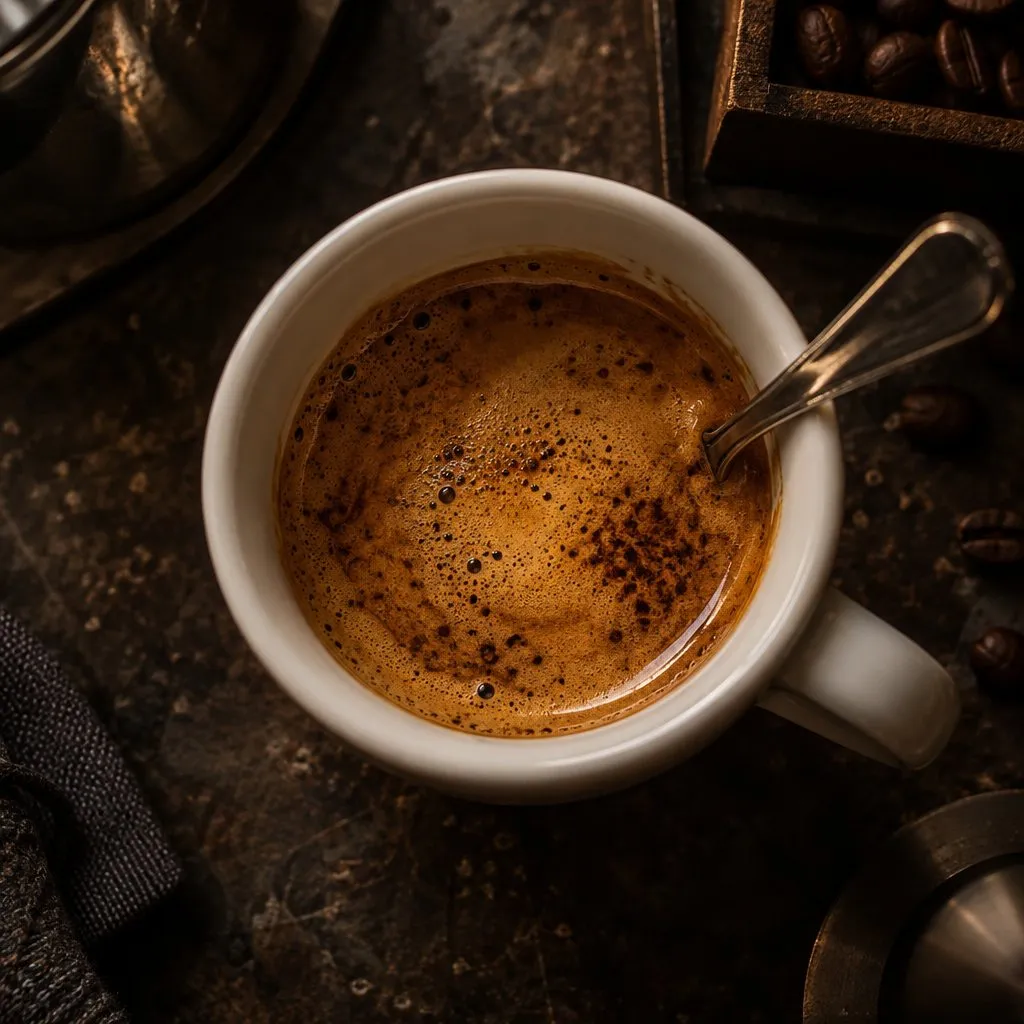
Start with the easy filter, then leave it
Gaggia's page lists a pressurized filter along with traditional ones, and on US machines the traditional set covers one and two cups. The US manual calls the easy filter “crema perfetta” and advises starting there, then moving to the traditional filter once you have the skill. Crema shows CO2, so freshness and roast. It says little about flavor, so the foam from a pressurized filter tells you little about your technique.
Strengths and weak points
- A commercial-size group, per Serious Eats, so you can swap in high-end filter baskets
- A 58 mm filter holder, per Gaggia, fits a wide range of tools
- Simple controls: buttons and a knob, per the manual
- Plenty of published guides for hobbyists, per Serious Eats
- No PID, per retailers, and Serious Eats says you have to watch the boiler
- Steam pressure isn't very strong, according to Serious Eats
- One boiler takes turns, so milk drinks mean waiting
- The names overlap on listings, so read the model number
Who should buy a Gaggia, and who shouldn't
Buy one if you drink espresso straight, weigh your shots and enjoy learning. Serious Eats sees it the same way: best for someone focused on espresso who only occasionally wants a latte. The steam light takes 15 to 20 seconds in the US manual, and you then have to bring the boiler back down before the next shot.
Gaggia Classic E24
The hobbyist's single boiler with a 58 mm portafilter, per Gaggia, and a wide choice of tools at that size.
Why here: The Gaggia Classic in brushed steel, our pick for straight espresso drinkers who enjoy learning. The 9 bar valve and the missing PID are per retailers.
Best for: Straight espresso drinkers who enjoy learning and tinkering
- 58 mm filter holder (Gaggia)
- Brass boiler and 3-way solenoid valve (Gaggia)
- 9 bar over-pressure valve (per retailers)
- Sold under Classic, Classic Pro, E24 and Evo Pro listings
- No PID (per retailers)
- A single boiler takes turns between brewing and steaming
- Needs a separate grinder
- Heating
- Single boiler, per retailers; brass (Gaggia)
- Pump, as stated
- 15 bar nominal (Gaggia)
- Brew pressure, as stated
- 9 bar OPV, per retailers
- Portafilter
- 58 mm (Gaggia)
- PID
- No, per retailers
- Built-in grinder
- No
- Price class
- Mid-range
Other colors are the same family: Thunder Black*, Cherry Red*, and the Evo Pro in grey*, white* and blue*.
Alternatives
- A heavier single boiler. The Rancilio Silvia* sits a price class higher, and our Gaggia vs Silvia comparison goes point by point.
- More help, fast heat-up. The Breville Bambino* suits beginners with their own grinder.
- Everything side by side. Our full comparison has the rest, and the start page sorts by what you drink.
Parts, service and warranty
The US manual sends you to a local dealer or authorized service center, with contact details in the warranty booklet. It also warns that using accessories or parts Gaggia doesn't recommend makes your warranty invalid, so read those terms before you fit a bottomless portafilter or any other aftermarket part. It says descaling is still recommended every 2 to 3 months when you use purified or bottled water, and warns that repairs from skipped descaling aren't covered. PID kits involve mains wiring beside water and steam. We give no instructions for those: use a qualified technician, if at all.
Asked at the bar
Are the Gaggia E24, Classic Pro and Classic Evo Pro the same machine?
They are closely related, and Amazon sells them under RI9380 model numbers in different colors. Gaggia's US manual is titled Classic Pro and carries the RI9380 number. We did not find a Gaggia document that maps all three names to each other, so read the model number on the listing you buy.
Does Gaggia make a semi-automatic machine with a grinder?
Not on the machines we cover. Gaggia's site lists grinders separately, the MDF 55 and MD15, and the Classic has no built-in grinder. If you want both in one body, our page on machines with a built-in grinder has the options. Otherwise budget for a separate grinder that can go fine.
Does Gaggia make a dual boiler?
Nothing on the manual machine menu we read is labeled as one, though we did not read every page. The Classic is a single boiler, per retailers, so it takes turns between brewing and steaming. If several milk drinks in a row is your morning, look at our dual boiler guide instead.
What are Gaggia's automatic machines?
Gaggia's menu lists Accademia, Cadorna Prestige and Magenta Prestige under automatic machines. Those grind and brew for you, so they sit outside what we cover. If you are torn between the two approaches, our comparison of semi-automatic and super-automatic machines starts from how much you want to do yourself.
Where this comes from
- Gaggia: Our history
- Gaggia: 85 years of heritage, including the machine menu
- Gaggia: Classic E24 product page
- Gaggia: Classic Pro RI9380 operating instructions, US edition
- Gaggia: Espresso Deluxe product page
- Whole Latte Love: Gaggia Classic Pro listing
- Serious Eats roundup, read through a Yahoo copy dated May 2, 2023
Next round
 Gaggia Classic ProGaggia Classic Pro and E24: Gaggia's own values, the manuals on steam and descaling, what mods risk for the warranty, and who should pick something else.
- Gaggia vs SilviaGaggia Classic Pro or Rancilio Silvia? Two 58 mm single boilers a price class apart: maker and retailer specs, what America's Test Kitchen found, whom each suits.
- HistoryWho invented the espresso machine? Angelo Moriondo's 1884 patent, Bezzera and Pavoni, Gaggia's lever and Faema's pump: a dated history, with sources that disagree.
 Rancilio SilviaRancilio Silvia: Rancilio's 0.3 L boiler and own data, a 58 mm portafilter per retailers, the slow heat-up, PID listings, and what to upgrade first.
 Best machines comparedThe best semi-automatic espresso machines compared by spec sheet, from budget to premium: one pick per need, what each one lacks, and which outside tests agree.
semiautomaticespressomachine.com Editorial Team
Espresso gear & shot craft
We are the editorial team at semiautomaticespressomachine.com. We read maker spec sheets, manuals, standards and published research on espresso and turn them into plain-English buying advice, with sources on every page. We do not run lab tests, and we say so openly.
- Spec sheets & standards read
- Sources on every page
- No lab tests – stated openly
- Publisher details in the imprint