The Best Semi-Automatic Espresso Machines Compared by Spec Sheet: Budget to Premium
For most first buyers the best semi-automatic espresso machine is the Breville Barista Express, because the grinder comes in the box. The right answer changes with your drink and your routine, so we name one machine per need, compared by spec sheet. We have not pulled shots on any of them, and we say which outside tests have.
Disclosure: This page contains affiliate links (marked with *). If you buy through them, we earn a small commission at no extra cost to you. As an Amazon Associate I earn from qualifying purchases. Learn more
Our pick for most first buyers is the Breville Barista Express: grinder, PID and a 54 mm portafilter in one body. Take the Bambino to choose your own grinder, the Bambino Plus for milk drinks without wand practice, the Gaggia Classic Pro for straight espresso, and the Breville Dual Boiler for several milk drinks in a row.
On this page
“Best” only means something once you know what you drink and how much you want to do. The start page sorts by drink. This page puts the machines side by side, so you can see what each pick gives up.
The short version. Pick the Breville Barista Express* if you want one box. Pick the Bambino* if you want to choose the grinder yourself. Everything else below is a reason to move away from those two.
The picks side by side
| Our pick: built-in grinderBreville Barista Express | Our pick: with a separate grinderBreville Bambino | Our pick: milk drinksBreville Bambino Plus | Our pick: straight espressoGaggia Classic E24 | Our pick: dual boilerBreville Dual Boiler | |
|---|---|---|---|---|---|
| Heating | Thermocoil | ThermoJet | ThermoJet | Single boiler, per retailers; brass (Gaggia) | Dual boiler |
| Pump, as stated | 15 bar | 15 bar | 15 bar | 15 bar nominal (Gaggia) | 15 bar |
| Brew pressure, as stated | 9 bar | 9 bar | 9 bar | 9 bar OPV, per retailers | 9 bar |
| Portafilter | 54 mm | 54 mm | 54 mm | 58 mm (Gaggia) | 58 mm |
| PID | Yes | Yes, per the instruction book | Yes, per the instruction book | No, per retailers | Yes |
| Built-in grinder | Yes, 16 settings | No | No | No | No |
| Milk | Manual wand | Manual wand | Hands-free or manual | – | Steam wand |
| Price class | Mid-range | Mid-range | Mid-range | Mid-range | Premium |
| Best for | First-time buyers who want one box and no separate grinder to choose | Beginners who want to pick their grinder and upgrade it later | Latte and flat white drinkers who do not want to learn the wand first | Straight espresso drinkers who enjoy learning and tinkering | Upgraders who make several milk drinks in a row |
| On Amazon(paid link to Amazon, opens in a new tab)Ad · paid link · check price & delivery on Amazon | On Amazon(paid link to Amazon, opens in a new tab)Ad · paid link · check price & delivery on Amazon | On Amazon(paid link to Amazon, opens in a new tab)Ad · paid link · check price & delivery on Amazon | On Amazon(paid link to Amazon, opens in a new tab)Ad · paid link · check price & delivery on Amazon | On Amazon(paid link to Amazon, opens in a new tab)Ad · paid link · check price & delivery on Amazon |
Values marked “per retailers” did not come from the maker. How we compare explains how sure each value is, and why you see price classes in words.
The differences, point by point
Grinder: one box or two
The Barista Express has a conical burr grinder with 16 settings (Breville). Every other pick in the table needs a separate one, and the machine won't do much without it. Serious Eats says as much in its roundup. The money is closer than people assume: at full price the separate pair is cheaper; on sale they cost the same. Check both on the day. Built-in or separate goes through the trade-offs, and machines with a grinder inside lists the alternatives.
Heating: whether you can brew and steam at once
A single boiler has to take turns, because brewing wants about 200 °F and steam about 266 °F. A dual boiler can do both at once, and the Breville Dual Boiler* is the one machine here that does. The Barista Express uses a thermocoil, which heats water on demand. The Bambinos use Breville's ThermoJet system, ready to start in 3 seconds per Breville. For one or two drinks in a morning, the boiler type matters little. For several in a row, it starts to. Our dual boiler page covers that upgrade, including the budget titles that use the word loosely.
If you mostly drink milk
The Bambino Plus* textures milk by itself, with 3 temperatures and 3 textures (Breville), so a flat white or latte doesn't depend on wand practice. The Barista Express and the Bambino have manual wands, which take longer to learn and leave you in charge of the milk. America's Test Kitchen named the Bambino Plus its compact pick.
Temperature: PID where the maker says so
Breville states PID for the Barista Express and for the espresso boiler of the Dual Boiler. Its pages for the Bambino and the Bambino Plus do not mention it, while their US instruction books do. Retailers list the Gaggia without PID. PID keeps the boiler closer to the set point. Measured stability at the puck depends on the machine.
Portafilter: which tools will fit
The Breville machines with a 54 mm portafilter share tools with each other. The Dual Boiler has 58 mm (Breville), and so has the Gaggia, per Gaggia's page. That matters once you start buying a tamper and a dosing funnel, and the accessories page sorts them by size.
If you drink it straight
The Gaggia Classic Pro* gives you the fewest helpers and the most to learn. Retailers describe a single boiler, a 58 mm portafilter and a 9 bar over-pressure valve. If you enjoy dialing in by weight, that's the appeal. If you want a good shot in the first week, it's the wrong end of the table.
Pressure: leave it out of the decision
The 15 or 20 bar on the box is what the pump can reach. Espresso is brewed at about 9 bar. Italy's espresso standard (INEI) specifies 9 bar, plus or minus 1, and Breville lists a 15 bar pump and 9 bar extraction side by side. 15 bar vs 20 bar has the details.
Three more machines, and why they are not picks
| Seller data onlyCASABREWS CM5418 | Seller data onlyNinja Luxe Café Premier | Single boiler optionRancilio Silvia | |
|---|---|---|---|
| Type | – | Assisted, 3-in-1 | – |
| Heating | – | – | Single boiler, 0.3 L (Rancilio) |
| Portafilter | – | – | 58 mm, per retailers |
| Built-in grinder | No | Yes | No |
| Milk | Steam wand, per listing | – | – |
| Price class | Budget | Mid-range | Premium |
| Best for | A first try at espresso on a tight budget | Households that also want drip coffee and do not mind guidance | Buyers who want a sturdy single boiler and will add a grinder |
| On Amazon(paid link to Amazon, opens in a new tab)Ad · paid link · check price & delivery on Amazon | On Amazon(paid link to Amazon, opens in a new tab)Ad · paid link · check price & delivery on Amazon | On Amazon(paid link to Amazon, opens in a new tab)Ad · paid link · check price & delivery on Amazon |
- CASABREWS CM5418*. A compact budget machine with a steam wand, and the lowest-cost way into this table. We only have the listing, so we can't check its values, and any bar number in this class is a pump rating. It suits a first try, if you accept that uncertainty. What to buy first covers the budget route.
- Ninja Luxe Café Premier*. A 3-in-1 with guided steps and a drip option, so it sits between semi-automatic and super-automatic. America's Test Kitchen found it brewed good espresso but was too complicated and wasted coffee when switching beans. It suits households that also want drip. Semi vs super-automatic shows where that middle ground leads.
- Rancilio Silvia*. A long-running single boiler that retailers describe as 0.3 L and 58 mm. Rancilio's own page lists neither value. America's Test Kitchen recommends it with reservations: excellent espresso for people willing to dial it in, with no grinder and a long heat-up.
Take this one if
If you want one box and no grinder to choose → Breville Barista Express
View(paid link to Amazon, opens in a new tab)Ad · paid link · check price & delivery on AmazonIf you want to choose the grinder and replace it later → Breville Bambino
View(paid link to Amazon, opens in a new tab)Ad · paid link · check price & delivery on AmazonIf you drink lattes and flat whites and don't want to learn the wand first → Breville Bambino Plus
View(paid link to Amazon, opens in a new tab)Ad · paid link · check price & delivery on AmazonIf you drink it straight and enjoy tinkering → Gaggia Classic E24
View(paid link to Amazon, opens in a new tab)Ad · paid link · check price & delivery on AmazonIf you make several milk drinks in a row → Breville Dual Boiler
View(paid link to Amazon, opens in a new tab)Ad · paid link · check price & delivery on AmazonIf you do not want to do the steps yourself
America's Test Kitchen, which did run its machines, named the Barista Express best overall on July 2, 2025. Serious Eats, in a copy dated May 2, 2023, also lists the Bambino Plus, the Gaggia Classic Pro and the Breville Dual Boiler. That agreement is reassuring, but it isn't our test, and we have none of our own. If you are unsure, take the Barista Express: it's the one pick that lets you pull a shot without choosing a grinder first. For the step above, see prosumer machines.
Asked at the bar
What does semi-automatic mean for an espresso machine?
A semi-automatic espresso machine is a pump-driven espresso machine in which you grind, dose and tamp the coffee yourself and start and stop the shot, while the machine supplies the water pressure and temperature. Models with programmed shot buttons are still sold as semi-automatic.
Who makes the best semi-automatic espresso machine?
No one maker covers every need. In our comparison four of the five picks are Breville, mainly because Breville publishes its specs on its own pages, so we can check them. The Gaggia Classic Pro is our pick for straight espresso. Outside tests also name Breville machines: America's Test Kitchen chose the Barista Express as best overall on July 2, 2025.
Is an automatic espresso machine better?
Not better, just different in who does the work. A super-automatic grinds, doses, tamps and brews by itself, and you give up control over those steps. We found no neutral taste test settling which makes better espresso, so we decide by how much of the routine you want to do yourself.
What is the price of a semi-automatic coffee machine?
It runs from the budget class through mid-range to premium. In our list the CASABREWS CM5418 sits in budget, the Bambino, the Barista Express and the Gaggia in mid-range, and the Rancilio Silvia and Breville Dual Boiler in premium. We print no figures, because listing prices move too fast. One listing shifted sharply within a single day.
Do these machines come with a grinder?
Only the Barista Express and the Ninja Luxe Café in this comparison. Every other machine here needs a separate espresso-capable grinder, so plan for that in your budget. At full price a separate pair is cheaper than the built-in Barista Express; on sale they cost the same. Check both on the day.
Where this comes from
- Breville: BES870 Barista Express product page
- Breville: BES450 Bambino product page
- Breville: BES920 Dual Boiler product page
- America's Test Kitchen: espresso machines, July 2, 2025
- Serious Eats roundup, read through a Yahoo copy dated May 2, 2023
- INEI: Certified Italian Espresso leaflet (copy on a third-party server)
Next round
 For beginnersThe beginner espresso machine to buy first, and in which order: machine, espresso-capable grinder, scale. Our pick is the Breville Bambino, with budget options.
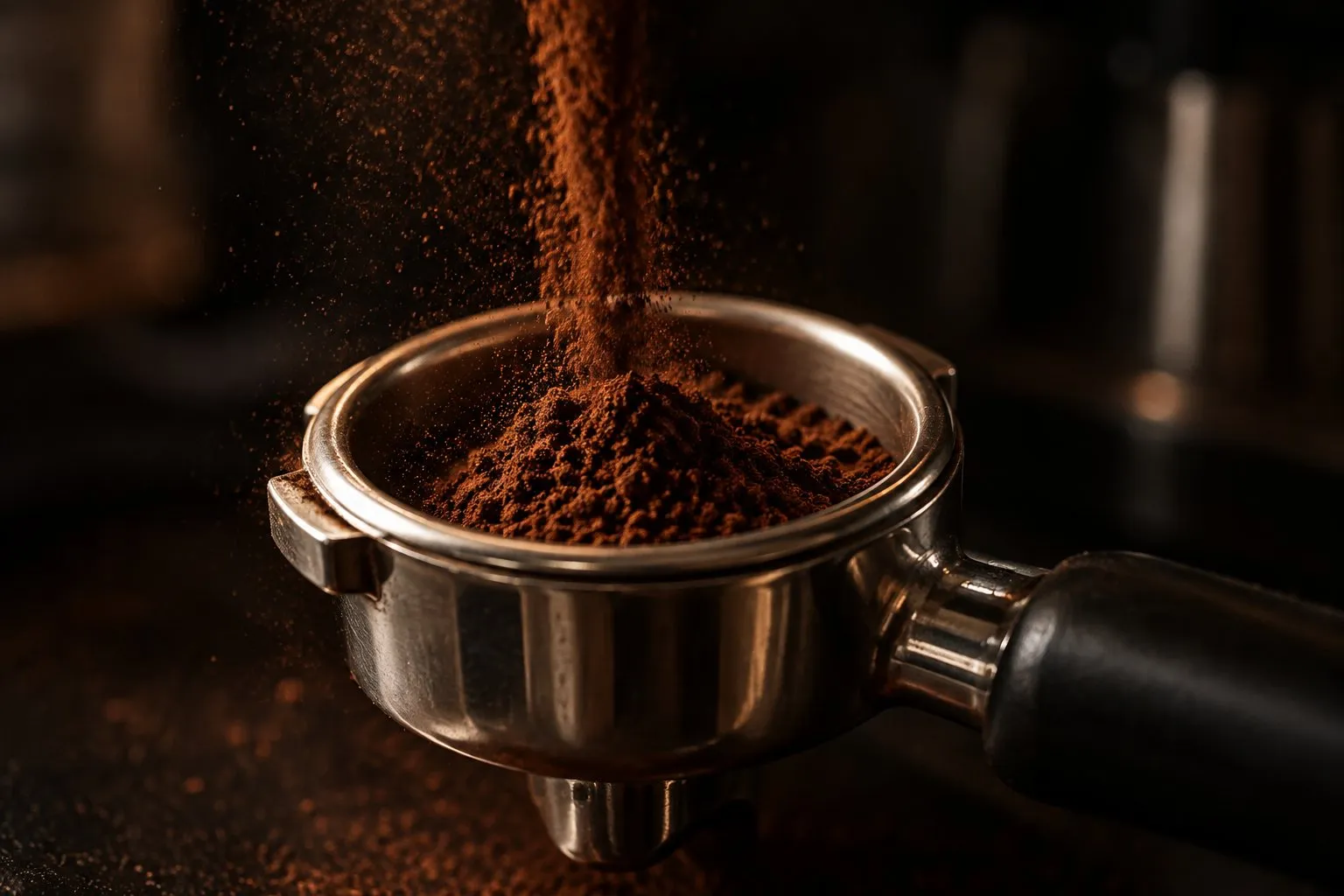 With grinderEspresso machines with a built-in grinder compared by spec sheet: Barista Express, Impress, Pro and Touch, plus Ninja, De'Longhi, KitchenAid, Gevi and CASABREWS.
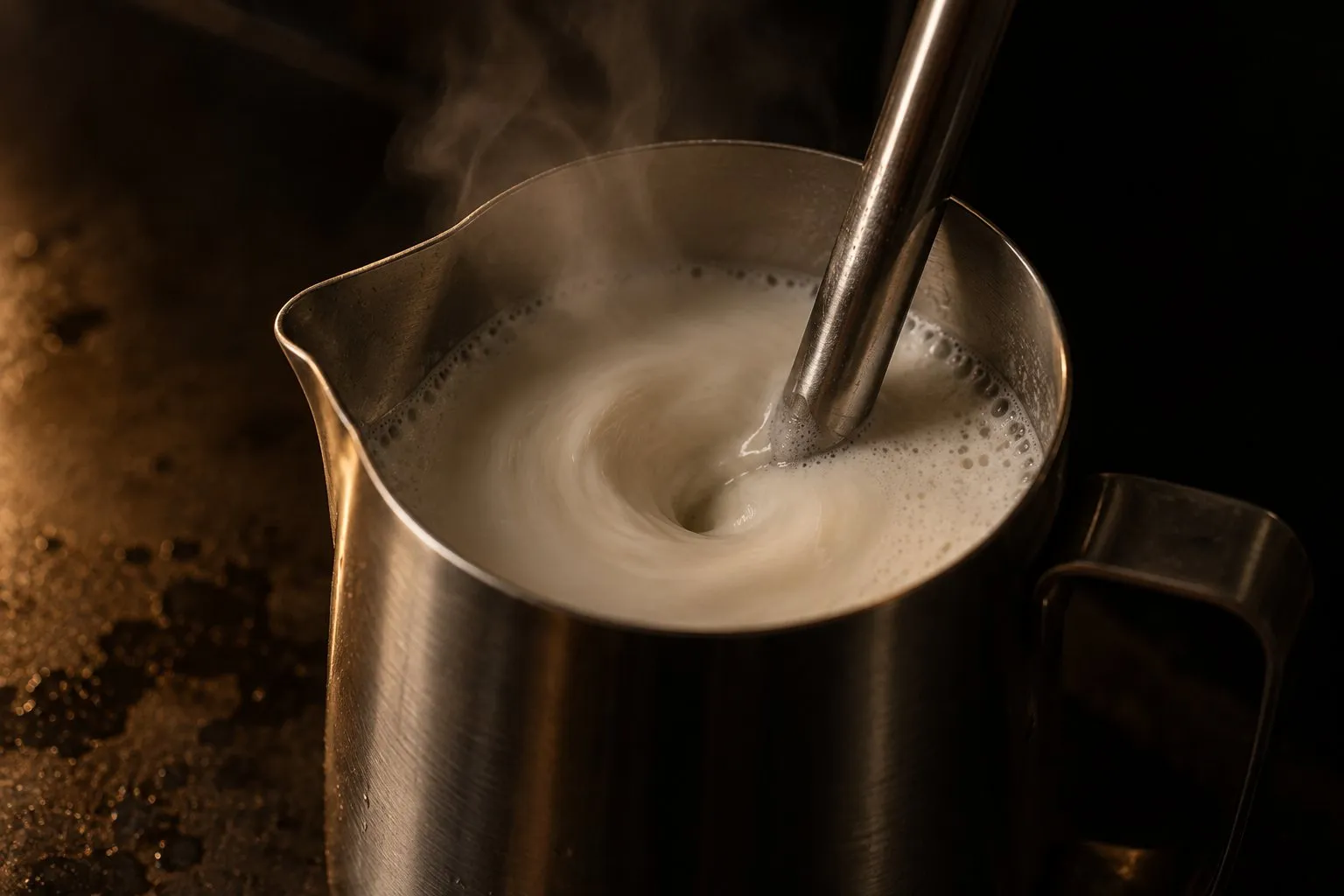 Dual boilerWhat a dual boiler does, when it earns its price, and how to read budget listings that use the word. One confirmed pick, plus what we could not verify.
- Gaggia Classic ProGaggia Classic Pro and E24: Gaggia's own values, the manuals on steam and descaling, what mods risk for the warranty, and who should pick something else.
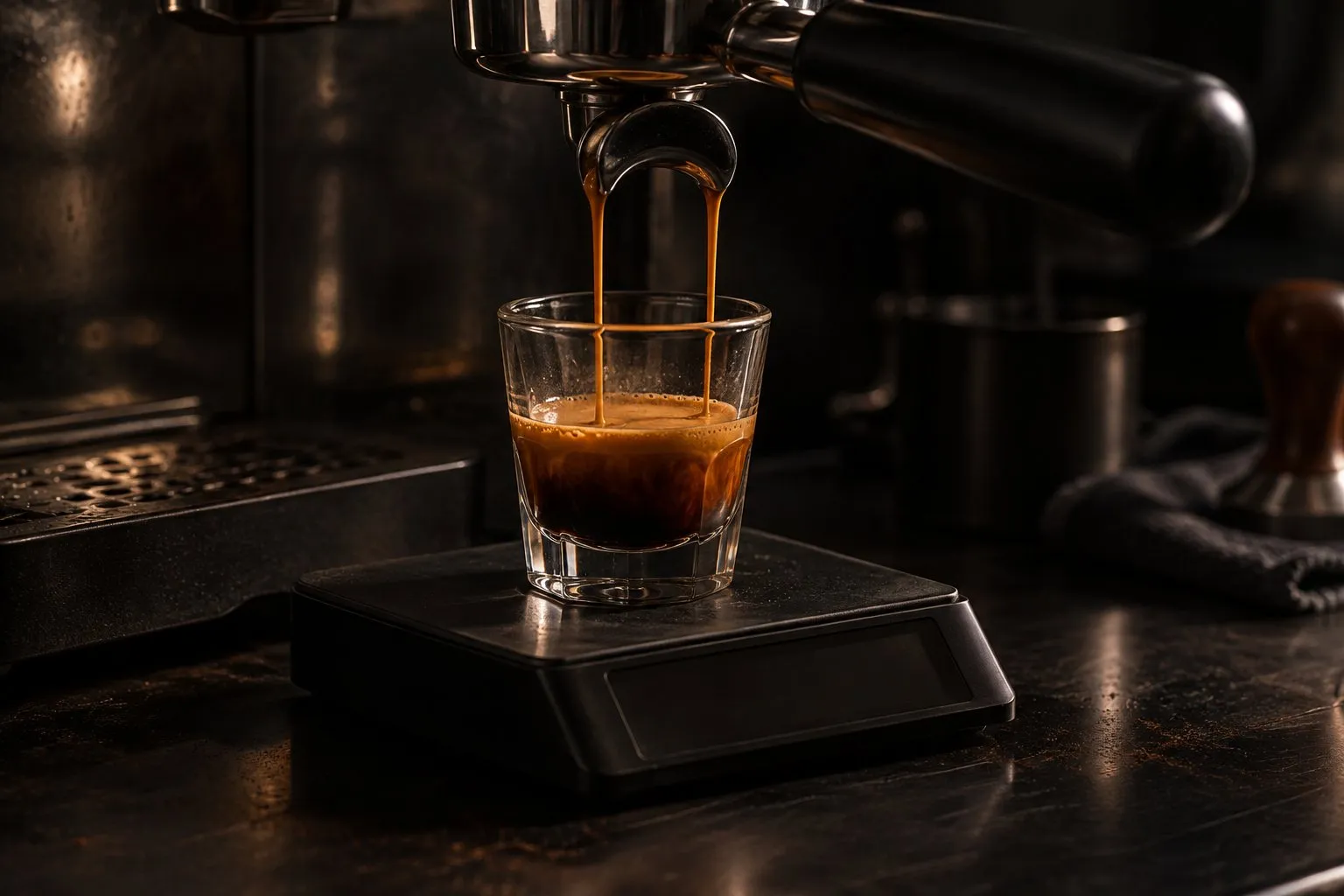 Semi vs super-automaticSemi-automatic or super-automatic? What each machine leaves to you, how price class and cleaning differ, what is known about the cup, and who should pick which.
- How we compareHow our espresso machine picks come about: spec sheets, standards and published research, what we cannot verify, which outside tests exist, and how we are funded.
semiautomaticespressomachine.com Editorial Team
Espresso gear & shot craft
We are the editorial team at semiautomaticespressomachine.com. We read maker spec sheets, manuals, standards and published research on espresso and turn them into plain-English buying advice, with sources on every page. We do not run lab tests, and we say so openly.
- Spec sheets & standards read
- Sources on every page
- No lab tests – stated openly
- Publisher details in the imprint