Single Boiler Espresso Machines: Gaggia, Rancilio and the Wait Between Shot and Steam
A single boiler has to take turns between brewing and steaming, because brew water runs at about 200 °F and steam at about 266 °F. That suits straight espresso and one or two milk drinks. Our pick is the Gaggia Classic for tinkerers. The Rancilio Silvia sits a price class higher, for buyers who want a heavier machine.
Disclosure: This page contains affiliate links (marked with *). If you buy through them, we earn a small commission at no extra cost to you. As an Amazon Associate I earn from qualifying purchases. Learn more
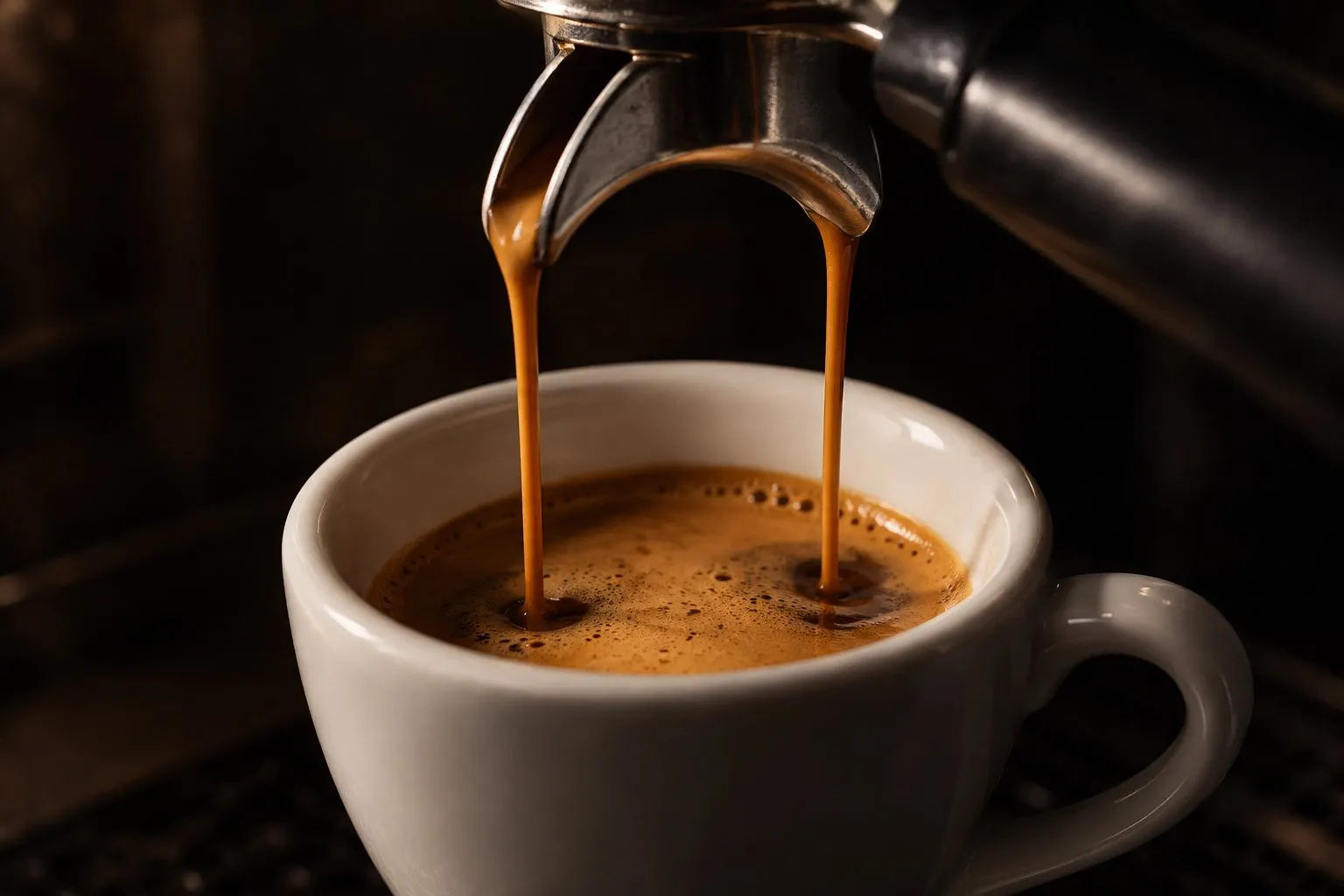
Buy a single boiler if you mostly drink straight espresso or make one or two milk drinks at a time, and you enjoy learning. The Gaggia Classic is our pick, and the Rancilio Silvia is the heavier, pricier option. Neither has a grinder. If you make several milk drinks in a row, skip this type and look at a dual boiler.
On this page
A single boiler is the old-school way to make espresso at home, and it's honest about what it asks of you. You get a simple machine with a real group head, and in return you take your turn at every step. For a straight-espresso drinker that's hardly a cost at all.
We read the makers' manuals for the routines below. Gaggia's page gives the 58 mm, its other values come from retailers, and the Gaggia manuals we read are the US Classic Pro RI9380 and the Classic Evo RI9481. We don't test machines, as how we compare explains.
Our pick
Gaggia Classic E24
The hobbyist's single boiler with a 58 mm portafilter, per Gaggia, and a wide choice of tools at that size.
Why here: A 58 mm portafilter per Gaggia, simple controls, and a manual that spells out the single-boiler routine. Good for espresso drinkers who like learning the machine.
Best for: Straight espresso drinkers who enjoy learning and tinkering
- 58 mm filter holder (Gaggia)
- Brass boiler and 3-way solenoid valve (Gaggia)
- 9 bar over-pressure valve (per retailers)
- Sold under Classic, Classic Pro, E24 and Evo Pro listings
- No PID (per retailers)
- A single boiler takes turns between brewing and steaming
- Needs a separate grinder
- Heating
- Single boiler, per retailers; brass (Gaggia)
- Pump, as stated
- 15 bar nominal (Gaggia)
- Brew pressure, as stated
- 9 bar OPV, per retailers
- Portafilter
- 58 mm (Gaggia)
- PID
- No, per retailers
- Built-in grinder
- No
- Price class
- Mid-range
Which one, or none?
If you drink mostly straight espresso and like to tinker → Gaggia Classic E24
View(paid link to Amazon, opens in a new tab)Ad · paid link · check price & delivery on AmazonIf you want a heavier machine with a brass group and don't mind a long heat-up → Rancilio Silvia
View(paid link to Amazon, opens in a new tab)Ad · paid link · check price & delivery on AmazonIf you want no wait for the shot and a smaller machine → Breville Bambino
View(paid link to Amazon, opens in a new tab)Ad · paid link · check price & delivery on AmazonIf you make several milk drinks in a row → Breville Dual Boiler
View(paid link to Amazon, opens in a new tab)Ad · paid link · check price & delivery on Amazon
The two machines side by side
| Our pick: straight espressoGaggia Classic E24 | Single boiler optionRancilio Silvia | Our pick: with a separate grinderBreville Bambino | |
|---|---|---|---|
| Heating | Single boiler, per retailers; brass (Gaggia) | Single boiler, 0.3 L (Rancilio) | ThermoJet |
| Pump, as stated | 15 bar nominal (Gaggia) | – | 15 bar |
| Brew pressure, as stated | 9 bar OPV, per retailers | – | 9 bar |
| Portafilter | 58 mm (Gaggia) | 58 mm, per retailers | 54 mm |
| PID | No, per retailers | – | Yes, per the instruction book |
| Built-in grinder | No | No | No |
| Milk | – | – | Manual wand |
| Price class | Mid-range | Premium | Mid-range |
| Best for | Straight espresso drinkers who enjoy learning and tinkering | Buyers who want a sturdy single boiler and will add a grinder | Beginners who want to pick their grinder and upgrade it later |
| On Amazon(paid link to Amazon, opens in a new tab)Ad · paid link · check price & delivery on Amazon | On Amazon(paid link to Amazon, opens in a new tab)Ad · paid link · check price & delivery on Amazon | On Amazon(paid link to Amazon, opens in a new tab)Ad · paid link · check price & delivery on Amazon |
The Bambino is here for contrast. It uses a ThermoJet heater, not a boiler, and Breville says it's ready in 3 seconds.
| Gaggia Classic | Rancilio Silvia | |
|---|---|---|
| Boiler | Single, per retailers | Single, 0.3 liter (Rancilio) |
| Portafilter | 58 mm, per retailers | 58 mm, per retailers |
| Over-pressure valve | 9 bar, per retailers | Not read |
| PID | No, per retailers | Thermostat, manual regulation (Rancilio) |
| Heat-up, per America's Test Kitchen | “Fairly quick” | “Wait a long time” |
| Steam, per America's Test Kitchen | “Nicely powerful” | “Very powerful” |
| Price class | Mid-range | Premium |
If a head-to-head is what you came for, Gaggia Classic vs Rancilio Silvia goes deeper. This page is about whether the type fits you.
What the wait really looks like
The popular “30 to 60 seconds” has no source we could find. So here's what the two manuals actually ask of you for one milk drink.
| Step | Gaggia Classic Evo manual | Rancilio Silvia manual |
|---|---|---|
| Start up | Wait a few minutes for the coffee light | Wait for the orange light to go off |
| Brew | Pull the shot into a large cup | Pull the shot |
| Heat for steam | Press steam; 15 to 20 seconds until the steam light | Switch on steam, flush for 2 seconds, wait for the orange light to go off |
| Steam | Clear the condensation, then steam, no longer than 60 seconds | Submerge the wand, open the tap slowly |
| Afterward | Press the steam button again | Purge for 2 seconds, then switch on hot water and run the tap until water comes out |
| Next coffee | Without the filter holder, run a cup of water through to cool the boiler | Follow the manual's steam sequence first |
So the wait is more than a pause. It's a set of small jobs that soon become habit. America's Test Kitchen sums it up this way: with single-boiler machines you may wait up to a few minutes between pulling a shot and steaming milk. How long you feel it depends on your morning.
Why the shot goes first
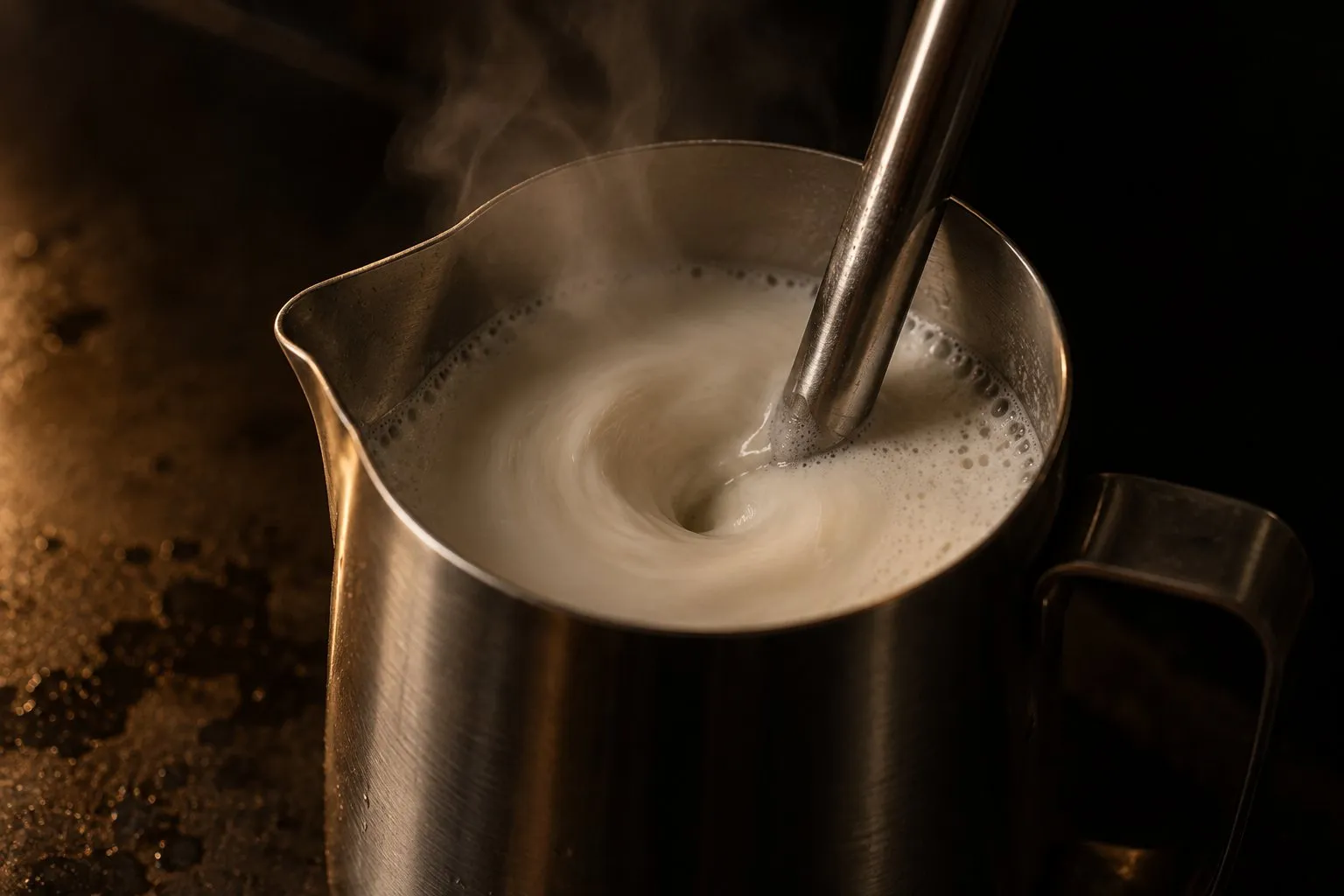
Both manuals brew first and steam second. Serious Eats points out the downside: a fresh shot left waiting for steam starts to oxidize. So have your pitcher filled and your cup warm before you start, and don't stop to tidy between the shot and the milk. Then steam it and pour.
The machines one by one
Gaggia Classic: the hobbyist's choice
Amazon sells this machine under several names, in several colors: E24 in brushed steel*, Thunder Black*, Cherry Red*, and Evo Pro in grey*. Match the model number on the day. Retailers describe a 58 mm portafilter and a 9 bar valve, and say it has no PID, so temperature is partly your job. America's Test Kitchen likes the steam and notes that the wand has limited range, and Serious Eats finds the steam weak. So you may read very different views on its milk. Our Gaggia page has the details.
Rancilio Silvia: built like a small café machine
Rancilio lists a 0.3 liter boiler, a brass group and a chrome-plated brass portafilter, and the machine weighs 30.8 lb. Retailers give the 58 mm. America's Test Kitchen loved the steam wand and recommends the machine with reservations, partly for the long wait. Temperature regulation is manual, by thermostat, per Rancilio. The Silvia page covers the routine and upgrades.
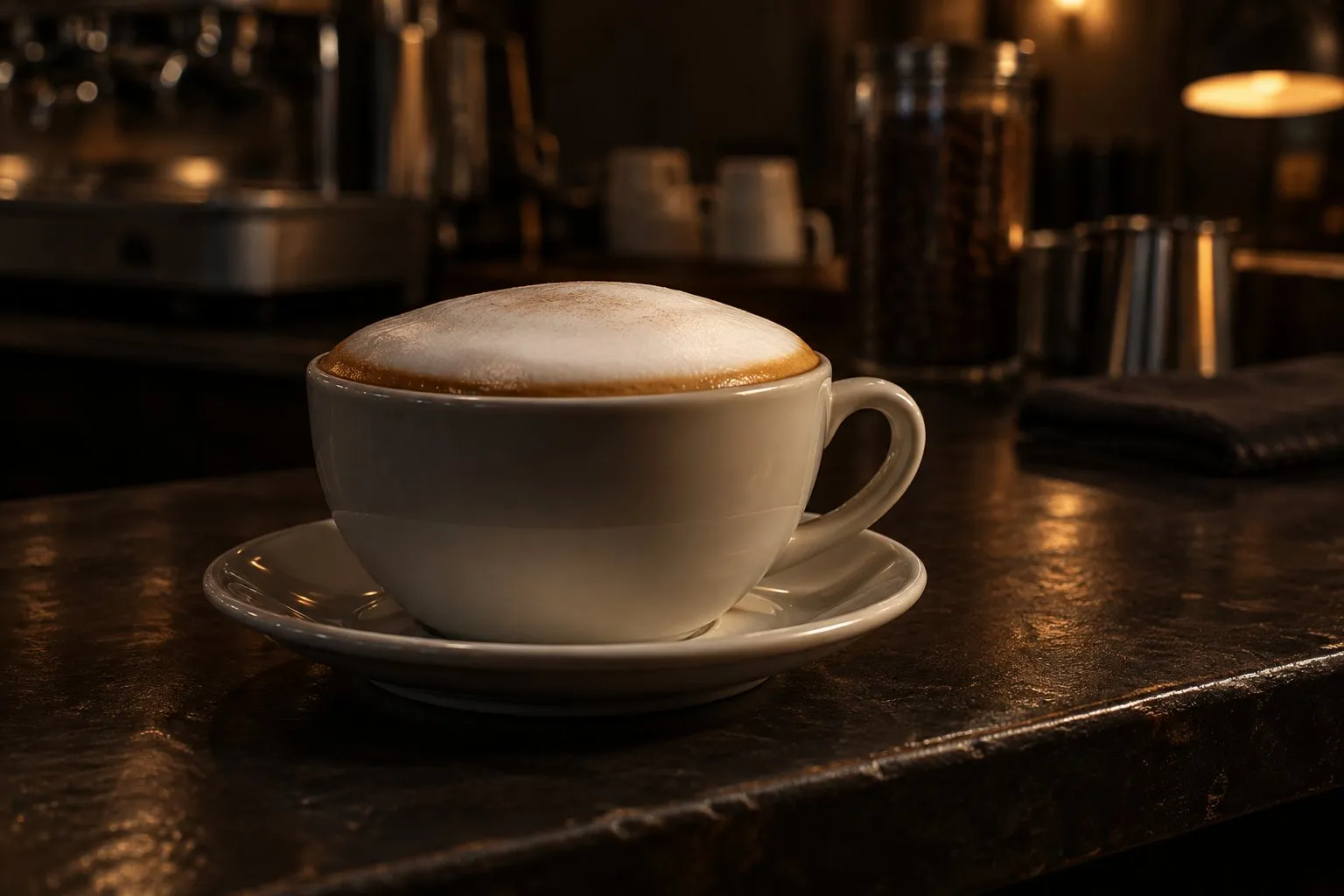
A cappuccino is well within reach. It just takes turns.
What to check before you buy
How you drink. The more straight espresso you drink, the less the turn-taking matters. Two milk drinks a morning is manageable. Four in a row is not what this type is for.
Grinder. Neither machine has one, and you need one that goes fine in small steps. The Smart Grinder Pro* has a 58 mm cradle (Breville), and the Baratza Encore ESP* has a dosing cup with a 58 mm adapter (Baratza). Check the size against your own portafilter, since the 58 mm comes from retailers. Our grinder guide has the choices.
Temperature. PID keeps the boiler closer to the set point. Measured stability at the puck depends on the machine. Without one, temperature is partly your job, and Serious Eats points to guides on temperature surfing. Retrofit PID kits mean mains wiring beside water and steam, and we give no instructions for that. Read our PID page, and have a qualified technician do that work.
The label. Listings and reviewers don't all use “single boiler” the same way. For how it differs from thermoblock and heat-exchanger machines, read single and dual boilers compared.
Common mistakes
- Buying one for a houseful of lattes. Count your drinks in a row first. Do you need a dual boiler? helps with that.
- Steaming too long. Gaggia's Classic Evo manual warns that more than 60 seconds of steam can empty the boiler, so follow its refill steps if it happens.
- Brewing straight after steaming. The boiler is too hot, and the coffee may taste burnt, per the same manual. Cool it first.
- Running it dry. Rancilio's manual says to fill the tank before switching on, to avoid damaging the heating element, and to check the level often.
- Opening it up. Rancilio reserves pump pressure and safety thermostat work for a qualified technician. So should you.
Still deciding?
These four questions end in one machine.
Our recommendation
If you drink mostly straight espresso and you enjoy learning, buy the Gaggia Classic and put the money you saved into a good grinder. Pay for the Silvia if the heavier build and the strong steam appeal to you and a long heat-up doesn't bother you. If you know now that you make several milk drinks in a row, our dual boiler page will save you a mistake. Gaggia's range has more on that brand.
Asked at the bar
What is a single boiler espresso machine?
A machine with one boiler that supplies both brew water and steam. Because those need different temperatures, about 200 °F and about 266 °F by Serious Eats' figures, it has to take turns. You brew, heat up to steam, then cool back down before the next shot. The manual sets out how for each model.
How long do you wait between pulling a shot and steaming?
It depends on the machine, so go by the manual. Gaggia's Classic Evo manual says 15 to 20 seconds until the steam light comes on. Rancilio's Silvia manual gives no figure and has you wait for the orange light to go off. We found no source for the often-quoted 30 to 60 seconds.
Is a single boiler good for lattes?
For one or two, yes. You pull the shot first, then heat up for steam. Serious Eats says the Gaggia Classic Pro suits an espresso-focused person who occasionally enjoys a latte. If milk is the point of your morning, compare the Bambino Plus on our page for lattes and cappuccino before you decide.
Why does my next shot taste burnt after steaming?
The boiler may still be too hot. Gaggia's Classic Evo manual warns about exactly that, and it has you run a cup of water through the group, without the filter holder, to lower the temperature first. Follow your own manual, because the steps and the heat involved differ by model.
Is a thermoblock a single boiler?
Technically no. A thermoblock or thermocoil heats water on demand in a metal block. Some reviewers still group them with single boilers because they also can't brew and steam at once. Machines like the Bambino start in 3 seconds, per Breville. Read the heating line on the spec sheet rather than the label in a review.
Where this comes from
- Gaggia: Classic Evo (RI9481) operating instructions, copy on a third-party server
- Rancilio: Silvia product page
- Rancilio: Silvia user manual, copy on a third-party server
- America's Test Kitchen: espresso machines, July 2, 2025
- Serious Eats roundup, read through a Yahoo copy dated May 2, 2023
- Breville: BES450 Bambino product page
Next round
- Heating systems comparedHeat exchanger vs dual boiler, single boiler and thermoblock: how each heats, what it does to your morning, and why listing labels can't always be trusted.
 Gaggia Classic ProGaggia Classic Pro and E24: Gaggia's own values, the manuals on steam and descaling, what mods risk for the warranty, and who should pick something else.
 Rancilio SilviaRancilio Silvia: Rancilio's 0.3 L boiler and own data, a 58 mm portafilter per retailers, the slow heat-up, PID listings, and what to upgrade first.
- Gaggia vs SilviaGaggia Classic Pro or Rancilio Silvia? Two 58 mm single boilers a price class apart: maker and retailer specs, what America's Test Kitchen found, whom each suits.
 Do You Need a Dual Boiler at Home? It Depends on Drinks in a Row, Not on Shot QualityDo you need a dual boiler at home? Count the milk drinks you make in a row. One latte a morning doesn't need two boilers, and a thermoblock or single boiler will do.
 How we compareHow our espresso machine picks come about: spec sheets, standards and published research, what we cannot verify, which outside tests exist, and how we are funded.
semiautomaticespressomachine.com Editorial Team
Espresso gear & shot craft
We are the editorial team at semiautomaticespressomachine.com. We read maker spec sheets, manuals, standards and published research on espresso and turn them into plain-English buying advice, with sources on every page. We do not run lab tests, and we say so openly.
- Spec sheets & standards read
- Sources on every page
- No lab tests – stated openly
- Publisher details in the imprint