Do You Need a Dual Boiler at Home? It Depends on Drinks in a Row, Not on Shot Quality
Probably not. A dual boiler solves a workflow problem: brewing and steaming at the same time. If you make one or two milk drinks in a morning, a single boiler or thermoblock is enough. If you make several in a row, the second boiler starts to earn its price class. We found no neutral evidence that it makes the shot better.
Disclosure: This page contains affiliate links (marked with *). If you buy through them, we earn a small commission at no extra cost to you. As an Amazon Associate I earn from qualifying purchases. Learn more
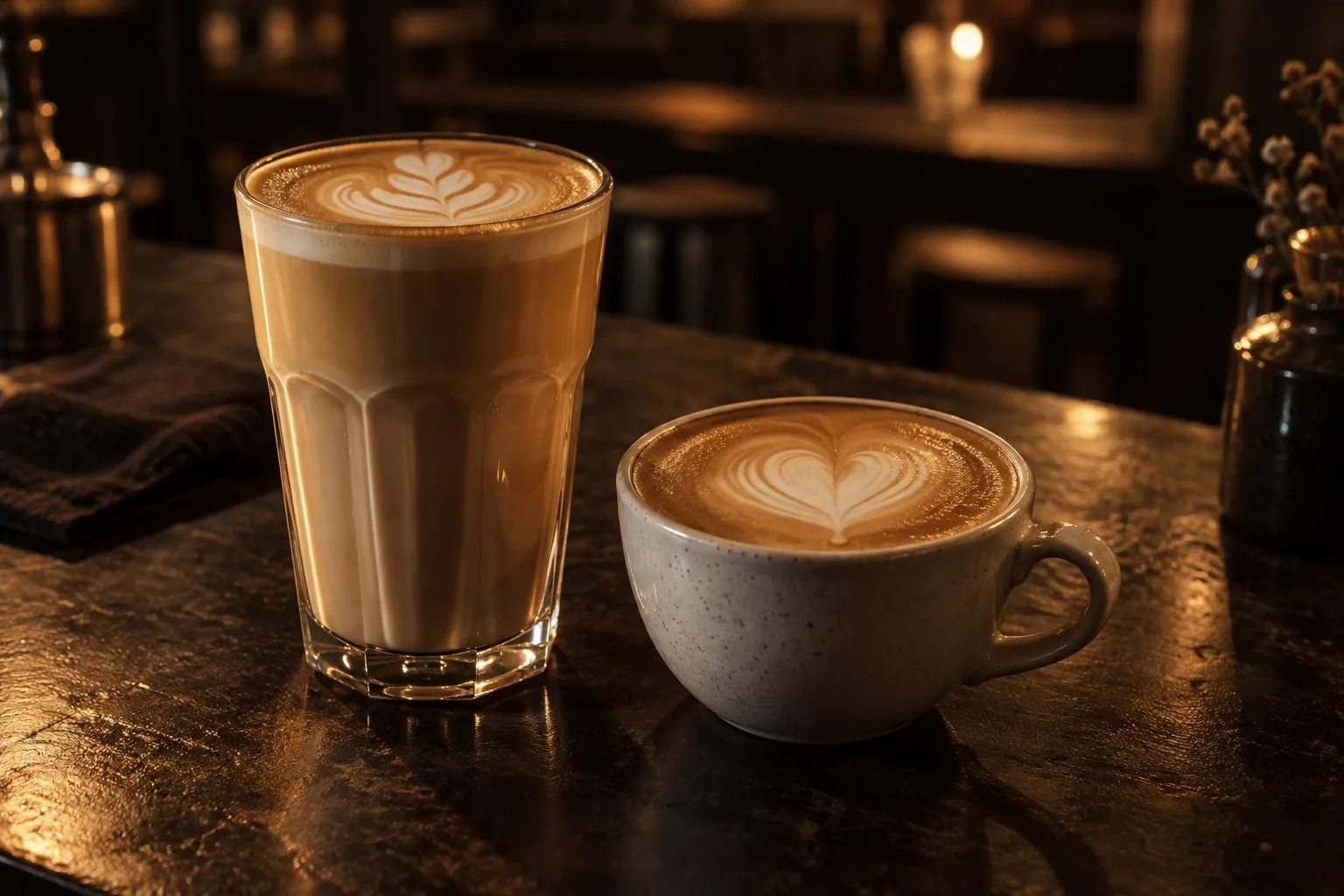
Most homes don't need a dual boiler. For straight espresso it does almost nothing, and for one or two lattes a morning a single boiler or thermoblock is enough. It starts to pay when you make several milk drinks in a row, because you can steam while the shot runs. We found no neutral evidence that it improves the shot itself.
On this page
Ignore the top of the range for a moment and picture your usual morning. How many drinks, how many with milk, and is anyone waiting? That answers this better than any spec sheet.
| Your usual morning | What a second boiler changes | Our read |
|---|---|---|
| Straight espresso only | Very little: the steam side sits idle | Skip it |
| One or two milk drinks | A short wait goes away | Skip it, unless the wait annoys you every day |
| Several milk drinks in a row | No more taking turns between shot and milk | This is the case for it |
| Guests now and then | Saves time a few days a year | Buy for your normal morning |
We found no published number of drinks where the switch pays off, so don't trust anyone who gives you one. This is a judgment about your own patience. Our page on dual boiler machines covers which ones to look at once you've decided.
What you actually wait for
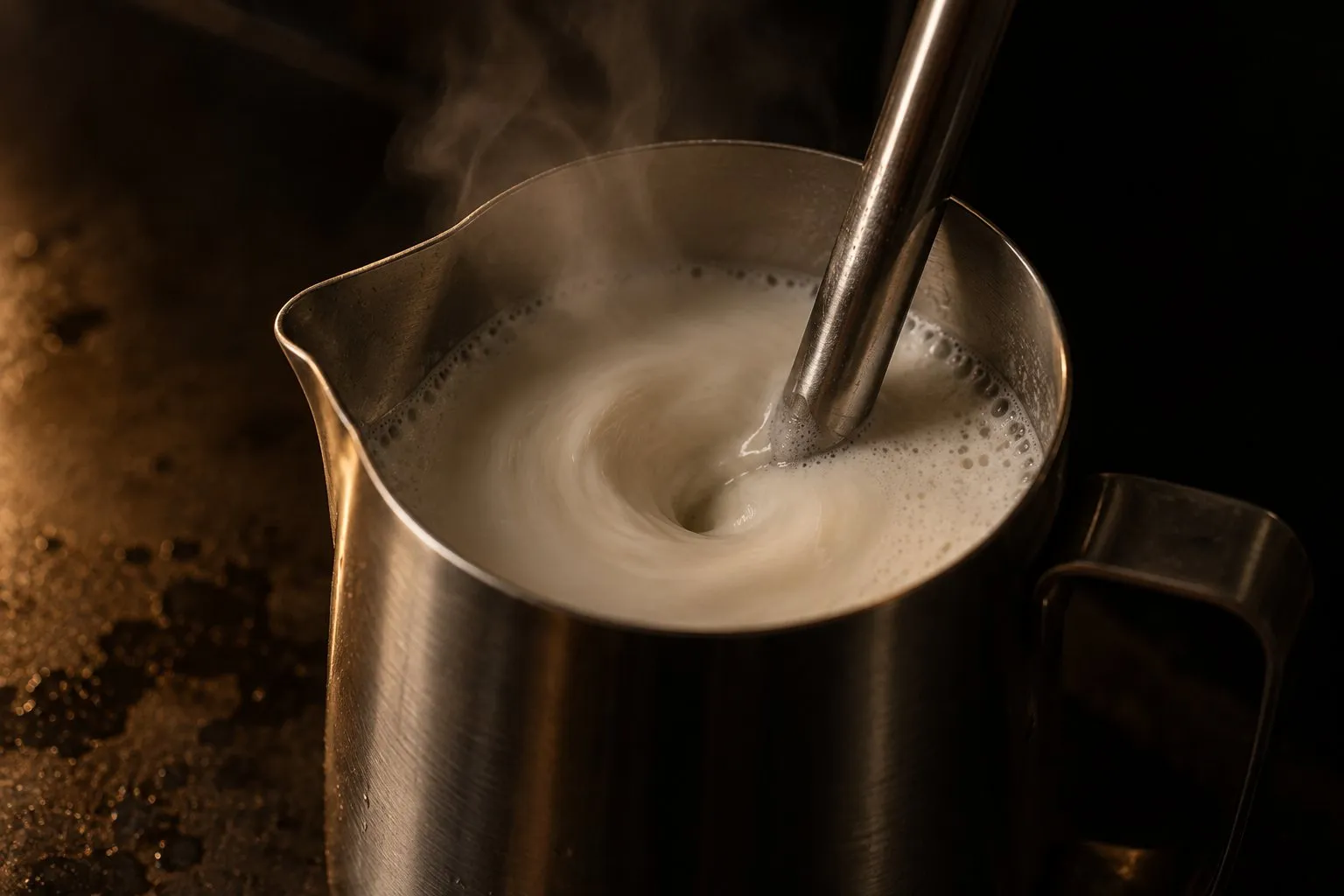
A single boiler has to take turns between brewing and steaming, and brewing wants about 200 °F while steaming wants about 266 °F. So the cost of one boiler is a wait, and how long depends entirely on the machine. Here's what we could document:
- Gaggia Classic Evo. The manual says 15 to 20 seconds until the steam light comes on, then you run water through the group to cool the boiler before the next shot. That cool-down is part of what slows a run of drinks. See our Gaggia page.
- Rancilio Silvia. America's Test Kitchen reports a long wait between brewing and steaming, and a ready time of 3 minutes 19 seconds.
- Barista Express. It heats with a thermocoil, and its manual says the machine purges into the drip tray after steaming to bring that coil back to brewing temperature. Our page on the Express has the rest.
Note that the Gaggia manual is for a close relative of the Classic Pro, not the same model number. Thermoblocks work differently again, and the thermoblock page goes into that.
Does it make a better shot?
This is where the marketing and the evidence part ways. Serious Eats lists three advantages: brewing and steaming at once, precision temperature control and steam power. The first is the real change from a single boiler. The second isn't exclusive to two boilers, since Breville states PID on the single-thermocoil Barista Express too. PID keeps the boiler closer to the set point. Measured stability at the puck depends on the machine, and we found no neutral test showing that a second boiler improves the cup.
Steam power is a fairer point, since Serious Eats says separate steam boilers are usually bigger. But that same roundup, in its copy dated May 2, 2023, wished for stronger steam on the Breville. So it's not automatic either. If steaming milk is what you're after, check that model's reports, not just the boiler count.
If you do need one
Breville Dual Boiler
Two stainless steel boilers, PID and a 58 mm portafilter: brew and steam at the same time.
Why here: The dual boiler here whose two boilers and PID we could read on the maker's own page.
Best for: Upgraders who make several milk drinks in a row
- Separate brew and steam boilers (Breville)
- PID on the espresso boiler, heated group head (Breville)
- 58 mm portafilter, 22 g dose (Breville)
- Premium price class
- No grinder included
- One morning latte does not need two boilers
- Heating
- Dual boiler
- Pump, as stated
- 15 bar
- Brew pressure, as stated
- 9 bar
- Portafilter
- 58 mm
- PID
- Yes
- Built-in grinder
- No
- Milk
- Steam wand
- Price class
- Premium
Above it sit the Rancilio Silvia Pro X* (also in black*) and the Diletta Alto*, both of which we only know from listings and retail coverage. Below it, the Gevi* and the Chefman Crema Deluxe* use the words “dual boiler” or “double boiler” in their titles. We have not checked what's inside, and the words may mean two heating units. Read the manual before you pay for the word.
If your count says you don't need one, the beginner page has a cheaper route, and a heat exchanger is a third option you can read about in our comparison of heating systems. Wondering about the bigger question? See whether an espresso machine is worth it at all, or go back to the guide to choosing a machine.
Asked at the bar
Is a thermoblock or single boiler enough if I make a latte every morning?
Yes, for one or two. You brew, then steam, so you wait a little in between. How long depends on the model, so look in its manual rather than trusting a general figure. The popular “30 to 60 seconds” has no source we could find. Gaggia's Classic Evo manual, for example, says 15 to 20 seconds until the steam light comes on.
Does a dual boiler make better espresso?
We found no neutral test showing that. Serious Eats credits dual boilers with precise temperature control and more steam power, and that sounds like a shot-quality case. But temperature control is not unique to two boilers: Breville also states PID on the Barista Express, which has one thermocoil. Your grinder and your dial-in will likely matter more.
Is a heat exchanger a cheaper way to brew and steam at once?
It's a different way, with its own quirks. A heat exchanger has one steam boiler and runs brew water through a pipe inside it, so it can brew and steam at the same time. The machines we can name are also in the premium class. Our comparison of heating systems sets out what you give up with each one.
Where this comes from
Next round
- Dual boilerWhat a dual boiler does, when it earns its price, and how to read budget listings that use the word. One confirmed pick, plus what we could not verify.
 Heating systems comparedHeat exchanger vs dual boiler, single boiler and thermoblock: how each heats, what it does to your morning, and why listing labels can't always be trusted.
 Thermoblock machinesThermoblock espresso machines heat on demand, so they start fast and stay small. Where steam falls short, which models use which heater, and our pick.
 For beginnersThe beginner espresso machine to buy first, and in which order: machine, espresso-capable grinder, scale. Our pick is the Breville Bambino, with budget options.
- Steam milkHow to steam milk at home: purge, stretch 5 to 10 seconds, spin, stop near 140 to 145 °F. Steps, the temperatures sources disagree on, and fixes for big bubbles.
semiautomaticespressomachine.com Editorial Team
Espresso gear & shot craft
We are the editorial team at semiautomaticespressomachine.com. We read maker spec sheets, manuals, standards and published research on espresso and turn them into plain-English buying advice, with sources on every page. We do not run lab tests, and we say so openly.
- Spec sheets & standards read
- Sources on every page
- No lab tests – stated openly
- Publisher details in the imprint