Single Boiler, Heat Exchanger, Dual Boiler, Thermoblock: Which Heating System Fits Your Routine
A heat exchanger and a dual boiler both brew and steam at once. The dual boiler heats brew water on its own, and the heat exchanger borrows heat from a steam boiler, so it may need a short flush. For one or two milk drinks, a single boiler or thermoblock is fine. Buy by how many drinks you make in a row.
Disclosure: This page contains affiliate links (marked with *). If you buy through them, we earn a small commission at no extra cost to you. As an Amazon Associate I earn from qualifying purchases. Learn more
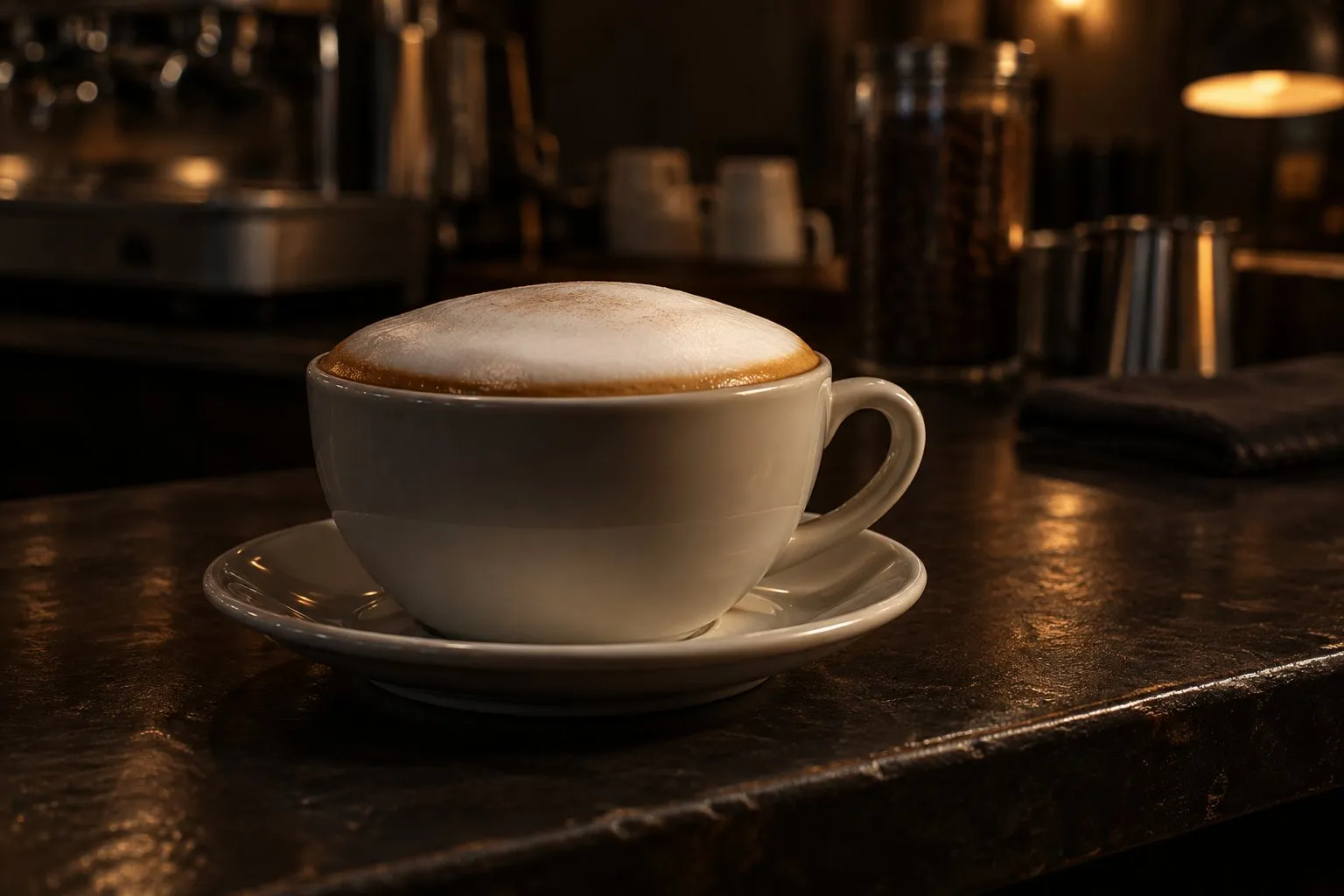
Choose by your routine. A single boiler takes turns between brewing and steaming, and a thermoblock or thermocoil heats on demand. A heat exchanger runs brew water through a pipe inside a steam boiler and can do both at once. A dual boiler heats each separately. One or two milk drinks suit the first two, and several in a row suit the last two.
On this page
The short verdict
Most home setups don't need the bigger end of this list. Heating decides how your morning flows, and we found no neutral evidence that it decides how good the shot is. If you make one or two milk drinks, stay with a flow heater like the Breville Bambino or a single boiler. If you make several in a row, you want brewing and steaming at once, and our pick among the machines we can document is the Breville Dual Boiler.
The four systems side by side
| Single boiler | Thermoblock, thermocoil | Heat exchanger | Dual boiler | |
|---|---|---|---|---|
| How it heats | One boiler switches between brew and steam temperature | Heats water on demand in a metal part | Brew water runs through a pipe inside a steam boiler | One boiler for brew water, one for steam |
| Brew and steam at once | No | Check the model | Yes | Yes |
| Typical quirk | Waits and cool-downs between jobs | Machine may purge between jobs | May need a short flush | Larger, and a higher price class |
| Good for | Straight espresso, a drink or two | A drink or two, fast starts | Several drinks in a row | Several drinks in a row |
| In our list | Gaggia Classic (per retailers), Silvia (Rancilio) | Barista Express, Bambino (Breville) | Diletta Bello+ (see below) | Breville Dual Boiler (Breville) |
Brewing wants about 200 °F and steaming about 266 °F, and that gap causes all of the above.
The differences, point by point
Brewing and steaming at once
Only this row is a clear-cut difference. A single boiler has to take turns between brewing and steaming. A dual boiler can do both. A heat exchanger can too, which is the point most comparisons skip: you don't need two boilers to steam while the shot runs.
The thermal group is mixed, so check your model. Some budget listings advertise simultaneous brewing and frothing, as the Chefman Crema Deluxe* does, without telling you what heats what.
Wait times
The popular “30 to 60 seconds” between shot and steam has no source we could find, so look in the manual. Gaggia's manual for the Classic Evo gives 15 to 20 seconds until the steam light comes on, then a run of water to cool the boiler before the next coffee. America's Test Kitchen found a long wait on the Silvia. The Barista Express purges into the drip tray to bring its thermocoil back, per its manual. For the routine question itself, see do you need a dual boiler?
Temperature
Serious Eats credits dual boilers with precise temperature control. That makes sense on paper, since the brew boiler holds its own temperature, and Breville adds PID to the espresso boiler on its Dual Boiler. But PID isn't limited to two boilers: Breville also states it on the single-thermocoil Barista Express. See our page on PID for what it does and doesn't promise.
The heat exchanger is the one with a known wrinkle. Wikipedia's article says the boiler stays at steam temperature, so brew water has to be cooled down to a usable range. It describes a cooling flush of 4 to 6 seconds before the first pull, repeated after the machine has sat idle, and notes some controversy about how stable the temperature is. We found no maker figure for this, so take it as a rough guide. The same article points to an upside: brew water comes fresh from the source, not from a long-heated boiler.
Steam
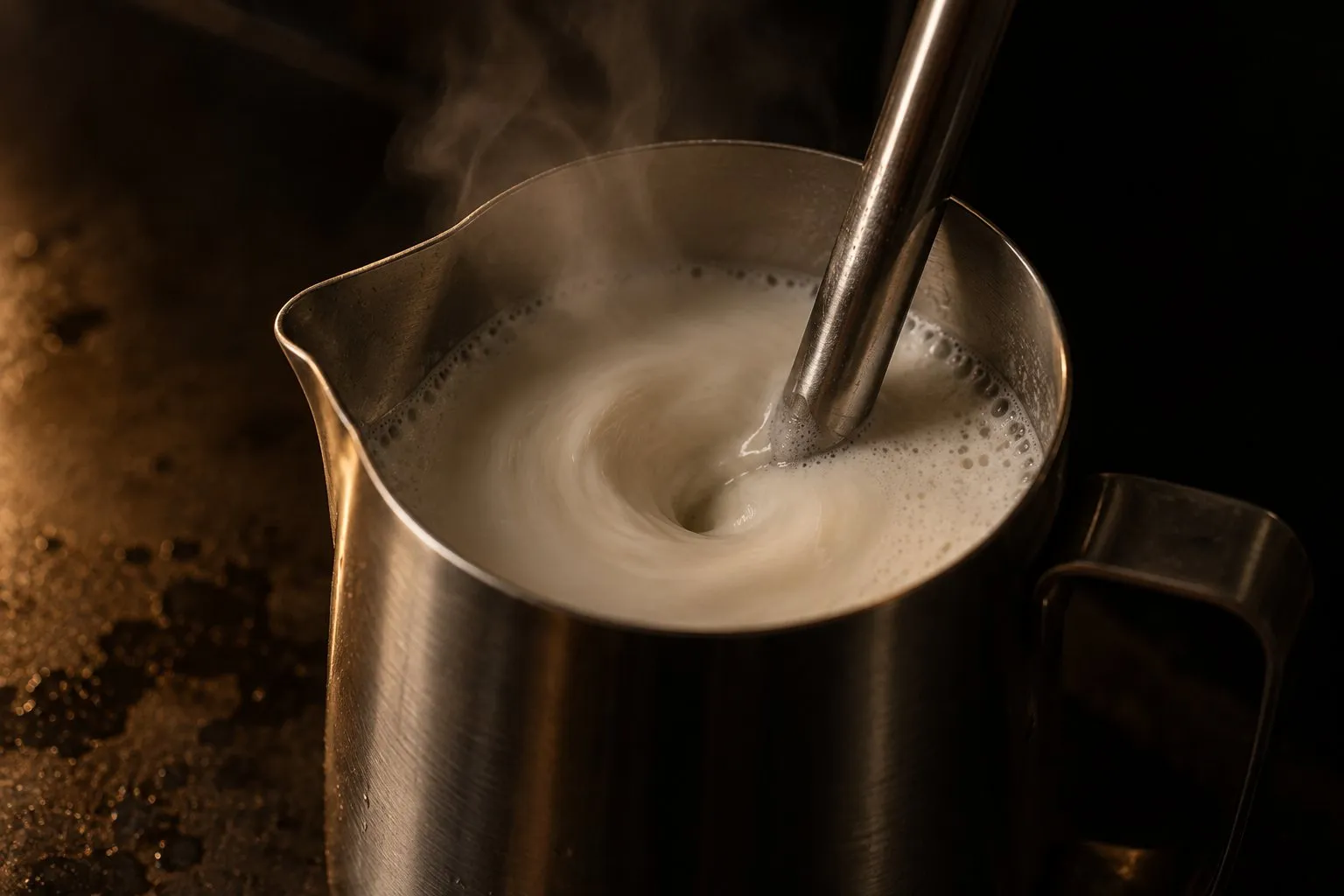
Serious Eats says separate steam boilers are usually bigger and more powerful. Still, the same roundup wished for stronger steam on the Breville Dual Boiler, so read reports on the specific model. A heat exchanger also has a whole boiler at steam temperature, in contrast to a thermoblock, which heats on demand. Wikipedia describes machines with a thermoblock on the steam side as giving up steaming performance and speed.
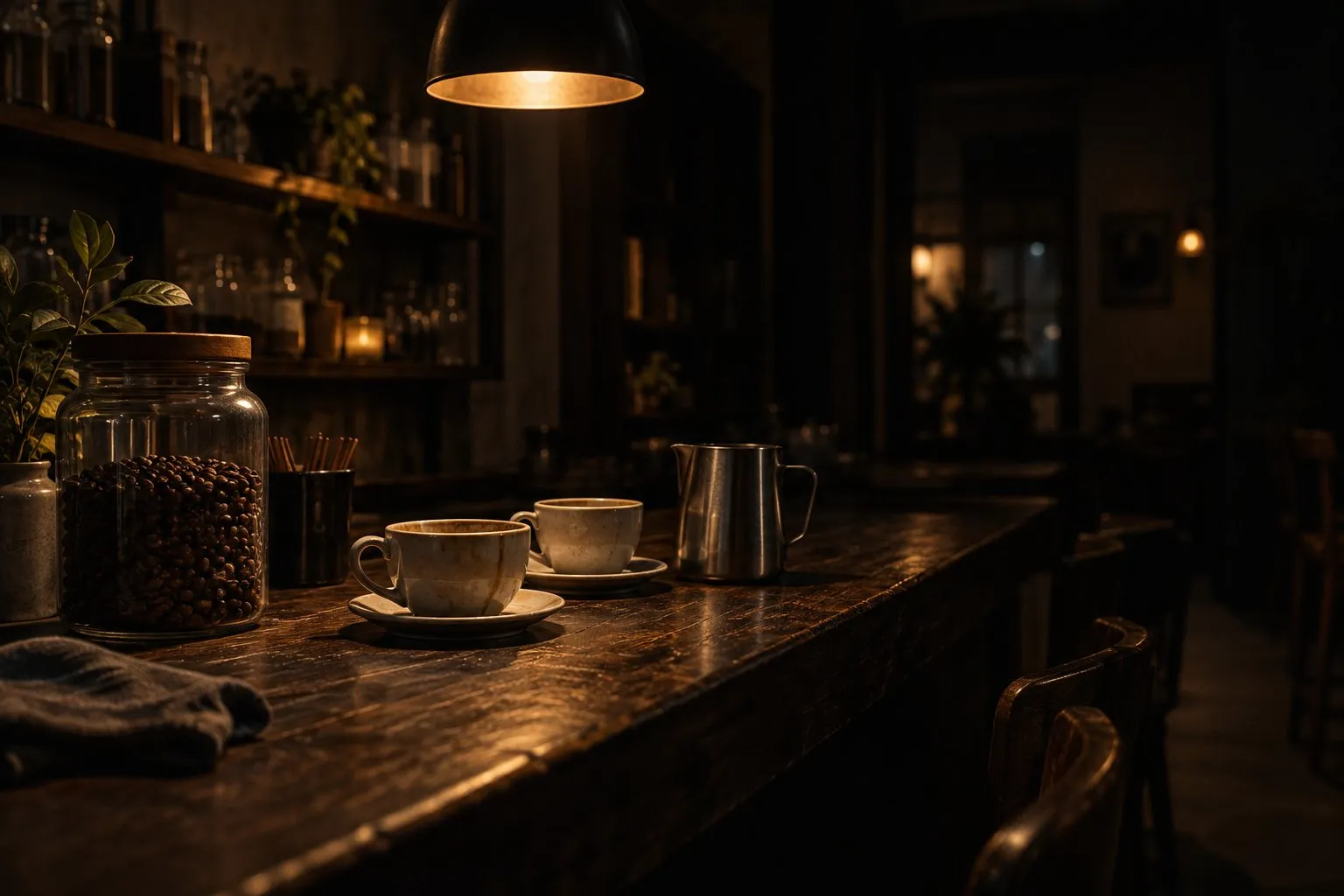
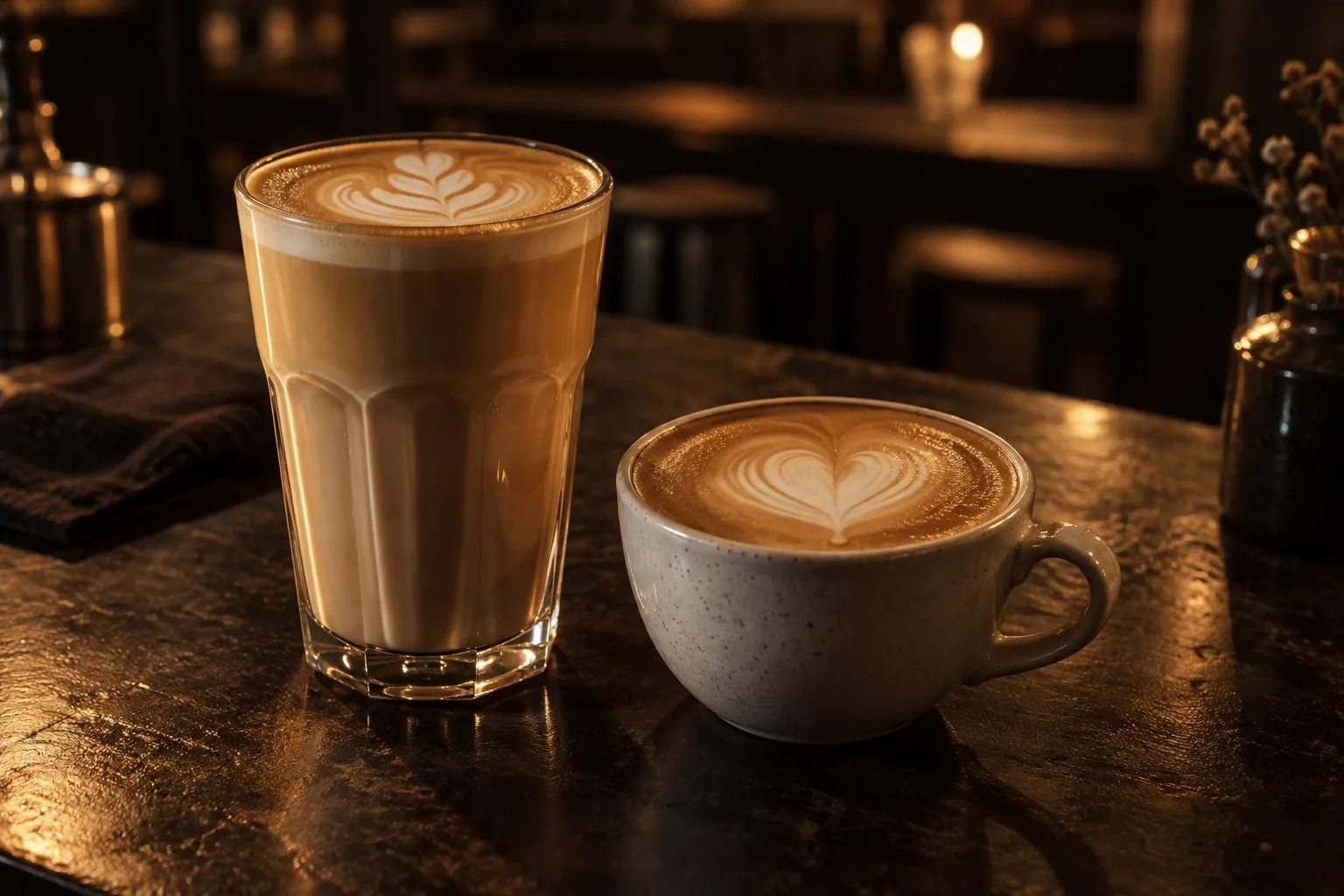
Two cups, one pitcher: this is the moment you notice how your machine heats.
Size and price class
Wikipedia and Serious Eats agree that dual boilers cost more and take up more room. In our list, single boilers and thermal machines run from budget to premium, while the machines we can confirm as dual boilers or see listed as heat exchangers sit in the premium class. We print no figures, and prices move too much to print them anyway.
Why the labels mislead
These words aren't used consistently, so don't lean on any one of them.
- Reviewers group things differently. Serious Eats describes the Bambino Plus and Barista Express Impress as single boilers. Breville calls them ThermoJet and thermocoil. America's Test Kitchen says thermocoil is a type of thermoblock and treats all of them as single-boiler machines for the purpose of waiting.
- Brand names hide the type. Thermocoil and ThermoJet are Breville's words for flow heaters.
- “Dual boiler” in a budget title may mean two heating units. The Gevi* and the Chefman carry the words. Neither maker's document has been checked, and we don't know what is inside.
- Listing errors exist. One Silvia listing title says “0.3L Heat Exchanger”, while Rancilio's page and manual give the Rancilio Silvia* one 0.3 L boiler.
- Heat exchanger machines are hard to confirm from titles. The Diletta Bello+* lists an E61 group and PID in its title. Retail coverage we saw only as search excerpts calls it a heat exchanger, and we have not read Diletta's specs, so check them first.
Take this one if
If you make several milk drinks in a row and want documented boilers → Breville Dual Boiler
View(paid link to Amazon, opens in a new tab)Ad · paid link · check price & delivery on AmazonIf you are comparing above the Breville and will read the manual first → Rancilio Silvia Pro X
View(paid link to Amazon, opens in a new tab)Ad · paid link · check price & delivery on AmazonIf you want to look at a machine sold in the heat exchanger class → Diletta Bello+ · Seller data only
View(paid link to Amazon, opens in a new tab)Ad · paid link · check price & delivery on AmazonIf you want one box for a drink or two → Breville Barista Express
View(paid link to Amazon, opens in a new tab)Ad · paid link · check price & delivery on AmazonIf you drink espresso straight and like learning a machine → Gaggia Classic E24
View(paid link to Amazon, opens in a new tab)Ad · paid link · check price & delivery on Amazon
For more detail, our dual boiler page has every model, and the thermoblock page covers flow heaters. Prosumer machines go through the premium class. Back to the guide to choosing a machine.
Asked at the bar
Is a heat exchanger or a dual boiler better?
Neither is better across the board. Both can brew and steam at once. A dual boiler heats brew water separately and is often credited with better temperature control, and it tends to cost more and take up more space. A heat exchanger keeps one boiler at steam temperature, and may need a flush before you brew. We found no neutral comparison of the two in the cup.
What is a heat exchanger espresso machine?
It has one large boiler held at steam temperature, with brew water running through a pipe inside it. So fresh water heats on its way to the coffee, and you can steam at the same time. Wikipedia's article describes a cooling flush of 4 to 6 seconds before the first pull and says brew stability is somewhat disputed. Check your model's manual.
Is a thermoblock the same as a single boiler?
No, though reviewers often group them. A thermoblock or thermocoil heats water on demand as it passes through a heated metal part, while a boiler heats and holds a tank of water. America's Test Kitchen counts its thermocoil and thermojet machines among single-boiler models because you still wait to switch between brewing and steaming.
Does the Rancilio Silvia have a heat exchanger?
Rancilio's page and manual give one 0.3 L boiler, so no. One Amazon listing title says “Heat Exchanger”, and Rancilio Group North America's page says “heat exchange boiler”, which we read as loose wording for that one boiler. It's a good example of why a title alone can't settle how a machine heats. Look for the heating system in the manual or on the maker's own page.
Where this comes from
- Serious Eats roundup, read through a Yahoo copy dated May 2, 2023
- America's Test Kitchen: espresso machines, July 2, 2025
- Wikipedia: Espresso machine
- Breville: BES920 Dual Boiler product page
- Breville: BES870 Barista Express product page
- Gaggia: Classic Evo (RI9481) operating instructions, copy on a third-party server
Next round
- Dual boilerWhat a dual boiler does, when it earns its price, and how to read budget listings that use the word. One confirmed pick, plus what we could not verify.
- Do You Need a Dual Boiler at Home? It Depends on Drinks in a Row, Not on Shot QualityDo you need a dual boiler at home? Count the milk drinks you make in a row. One latte a morning doesn't need two boilers, and a thermoblock or single boiler will do.
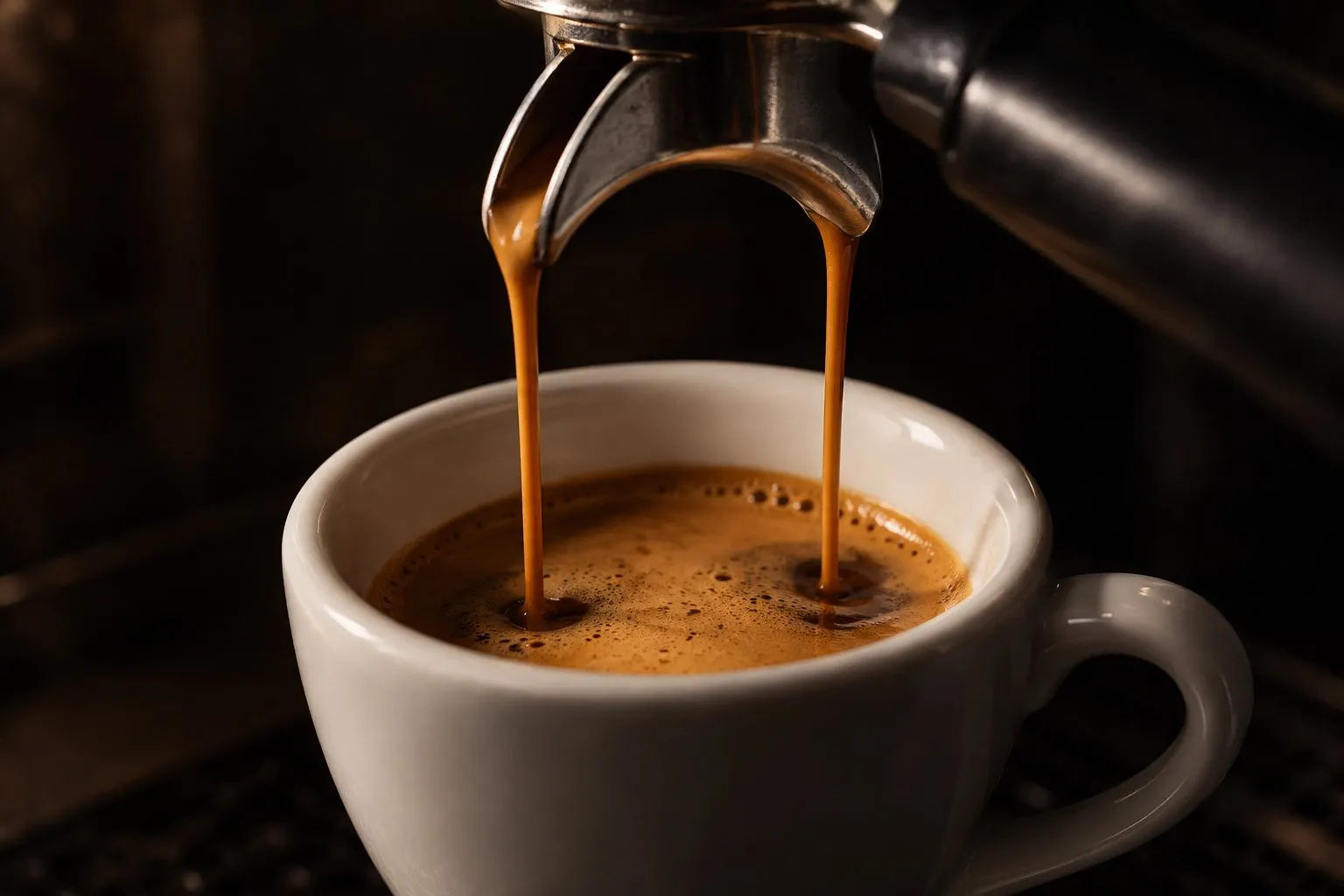 Thermoblock machinesThermoblock espresso machines heat on demand, so they start fast and stay small. Where steam falls short, which models use which heater, and our pick.
- PIDWhat PID does on an espresso machine, why the 0.1 °F figure is not a shot temperature, which models state it, and when it's worth paying for one that has it.
- Prosumer machinesProsumer espresso machines on Amazon: what the word means, what E61, PID and rotary pumps do, which high-end machines actually ship, and our pick for most buyers.
semiautomaticespressomachine.com Editorial Team
Espresso gear & shot craft
We are the editorial team at semiautomaticespressomachine.com. We read maker spec sheets, manuals, standards and published research on espresso and turn them into plain-English buying advice, with sources on every page. We do not run lab tests, and we say so openly.
- Spec sheets & standards read
- Sources on every page
- No lab tests – stated openly
- Publisher details in the imprint