Breville Barista Pro: ThermoJet Heat-Up and a 30-Setting Built-In Grinder
The Breville Barista Pro is the Barista Express idea with a faster heater and a finer-stepped grinder. Breville lists 30 grind settings with Baratza burrs and a ThermoJet system that heats up in 3 seconds. Its US manual adds a 54 mm portafilter, an integrated tamper and a dedicated hot water outlet.
Disclosure: This page contains affiliate links (marked with *). If you buy through them, we earn a small commission at no extra cost to you. As an Amazon Associate I earn from qualifying purchases. Learn more
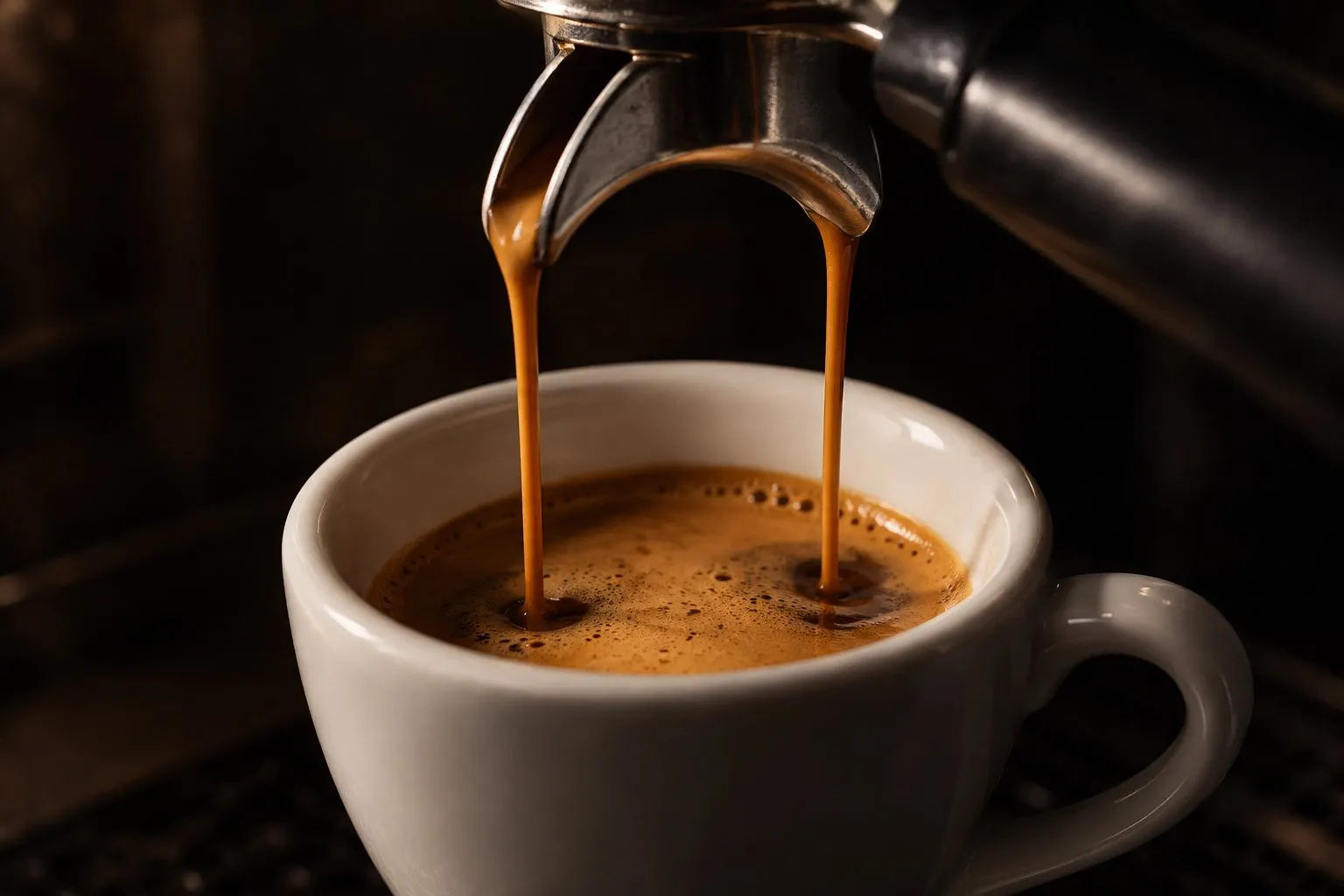
Buy the Barista Pro if you want one box, drink espresso soon after switching on, and care about more grind steps than the Express has. If you are comparing purely on documented value, start with the Barista Express, which usually costs less and is our built-in-grinder pick. Both have a 54 mm portafilter and a steam wand.
On this page
The Barista Pro asks you to pay for two things: a faster start and more steps on the built-in grinder. If those don't move you, the Express does the same job. We read Breville's US product page and US instruction book, and we don't run tests of our own.
Who it suits, and who it doesn't
- You want a grinder in the box and more settings than the Express's 16
- You want to start a shot soon after switching on: 3 seconds, per Breville
- You make Americanos: the manual lists a dedicated hot water outlet
- You may want a better grinder later, because this one stays in the body
- You make several milk drinks in a row: there is one heating system, not two boilers
- You are comparing on value: the Express usually costs less, so check both on the day
Technical data
| Value | Barista Pro | Source |
|---|---|---|
| Heating | ThermoJet, 3 second heat-up | Product page |
| Pressure | 15 bar pump, 9 bar extraction after low-pressure pre-infusion | Product page |
| Grinder | Baratza hardened steel conical burrs, 30 settings | Product page |
| Portafilter | 54 mm stainless steel | Manual |
| Tamper | Integrated, removable, 54 mm | Manual |
| Baskets | Single and dual wall; 1 cup about 8 to 11 g, 2 cup about 16 to 19 g | Manual |
| Shot control | 1 and 2 cup presets, about 30 and 60 ml, programmable or manual | Manual |
| Milk | Manual steam wand on a 360° swivel, 480 ml jug | Manual, product page |
| Hot water | Dedicated outlet | Manual |
| Hopper and tank | 8.8 oz (250 g) and 68 fl oz (2 L) | Manual |
| Size (W x D x H) | 16.1 x 13.8 x 13.1 in | Product page |
| PID | Electronic PID temperature control | Manual; the product page doesn't mention it |
| Price class | Mid-range | Our classification |
The 15 or 20 bar on the box is what the pump can reach. Espresso is brewed at about 9 bar, as our page on pump ratings explains.
The Barista Pro in brushed steel* is the listing we link here. Check the model number on any other listing.
Barista Pro or Barista Express?
Here's the usual question, from Breville's two pages.
| Barista Pro | Barista Express | |
|---|---|---|
| Grind settings | 30 | 16 |
| Heating | ThermoJet | Thermocoil |
| Stated heat-up | 3 seconds | None stated on the page |
| PID | Yes, per the manual | Yes |
| Portafilter | 54 mm, per the manual | 54 mm |
| Size (W x D x H) | 16.1 x 13.8 x 13.1 in | 15.9 x 13.1 x 12.4 in |
More settings don't settle the matter by themselves, because neither page says how large each step is. What we can say: America's Test Kitchen named the Barista Express best overall on July 2, 2025, timing it at 48 seconds to ready. That roundup doesn't cover the Pro, so we have no independent comparison to offer. If you want the assisted tamp, see Barista Express vs Impress.
Breville Barista Express
Machine and conical burr grinder in one body, with PID and a 54 mm portafilter.
Why here: If the faster start doesn't matter to you, this is the sibling to compare first: same portafilter size, and our built-in-grinder pick.
Best for: First-time buyers who want one box and no separate grinder to choose
- Integrated conical burr grinder with 16 settings (Breville)
- Thermocoil heating with PID temperature control (Breville)
- Named best overall in America's Test Kitchen's roundup of 2 July 2025
- A better grinder later means buying a separate one
- One thermocoil, not two boilers
- The price swings widely between sale days, so check it on the day
- Heating
- Thermocoil
- Pump, as stated
- 15 bar
- Brew pressure, as stated
- 9 bar
- Portafilter
- 54 mm
- PID
- Yes
- Built-in grinder
- Yes, 16 settings
- Milk
- Manual wand
- Price class
- Mid-range
Daily use, from the manual
The default grind size is 15 of 30. Press the portafilter into the cradle to dose, tap to settle, tamp level, then trim with the Razor tool. Our tamping guide covers the pressure figures you'll see in manuals.
Run a short flow through the group before the shot, as the manual asks. Espresso should start to flow after 8 to 12 seconds. Under 7 points to a low dose or a coarse grind, and no real flow after 13 points to a grind that's too fine.
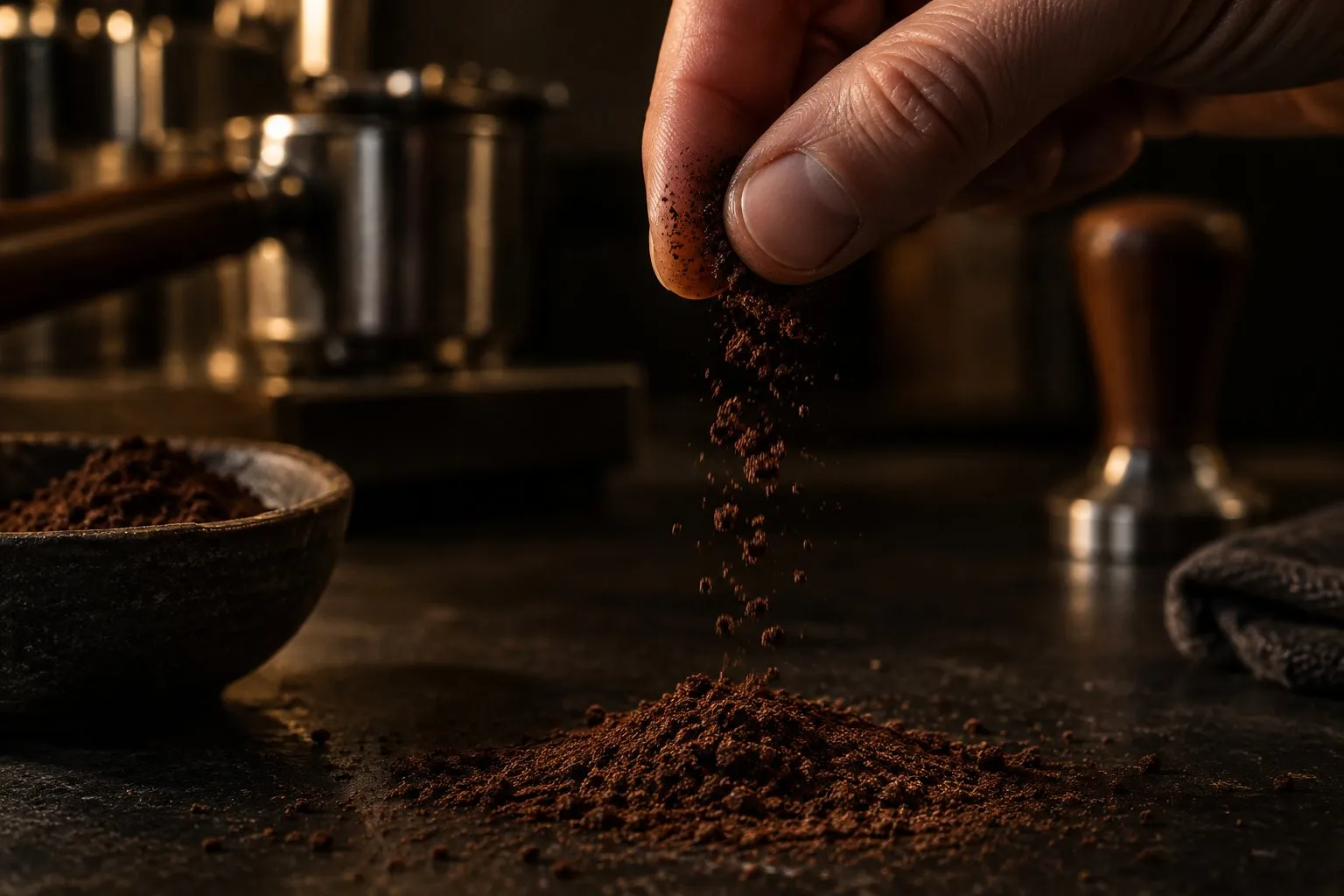
Weigh it, even with the auto dose
The grinder doses by time, not by weight. The defaults are 9.5 seconds for a 1 cup basket and 13 seconds for a 2 cup basket, and the manual warns that finer settings may need a longer time to fill the basket. So each grind change can shift your dose. A scale such as the Maestri House S2* shows you what actually landed in the basket.
Milk and hot water
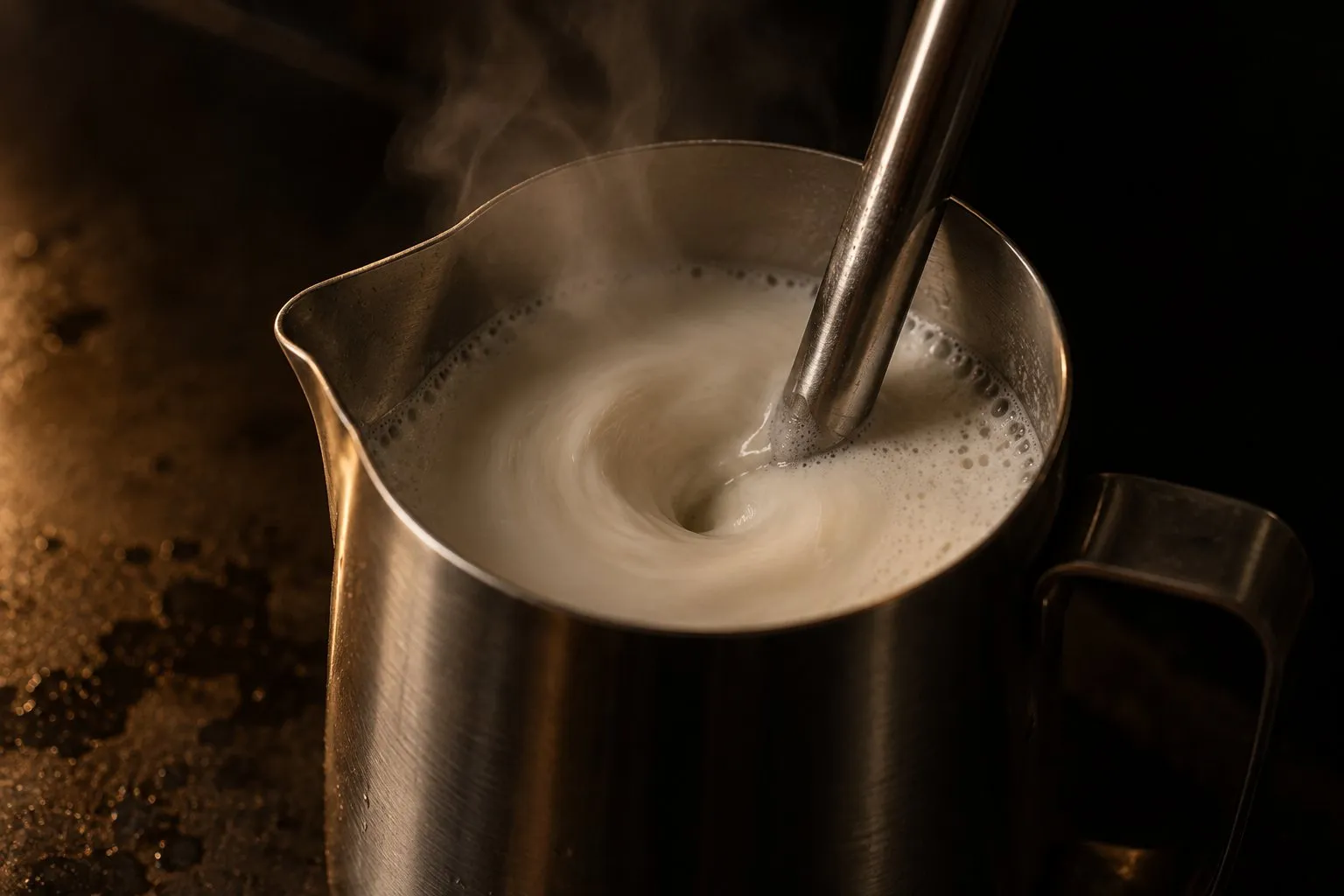
One steam dial handles both jobs. The manual calls milk done at 140 to 149 °F (60 to 65 °C), when the jug is hot to touch, and our steaming guide takes you through the feel of it. It also warns that pressurized steam can still be released after you switch the machine off, so wipe and purge the wand with your hands clear.
Care
- Water filter. The manual recommends a new one every 2 months, and more often in hard water.
- Cleaning cycle. The LCD tells you when it's due. It uses the cleaning disc and a tablet, and it is separate from descaling.
- Descaling. The LCD shows a DESCALE alert when it's time. Follow the manual's steps, and let the machine cool first as it asks.
Alternatives
- Want to pick your own grinder? The Bambino* also starts in 3 seconds, and it has a 54 mm portafilter (Breville). Bambino vs Barista Express walks through the one-box question.
- Comparing every one-box machine? Machines with a built-in grinder lines them up. Breville's whole range is on our Breville overview.
- Tools for the portafilter? The manual already includes a Dosing Funnel 54, so see our accessories page before you buy more.
Asked at the bar
What is the difference between the Barista Pro and the Barista Express?
The Pro has 30 grind settings against the Express's 16, and a ThermoJet system ready in 3 seconds where the Express uses a Thermocoil. Both list a 15 bar pump, 9 bar extraction, a 54 mm portafilter and a manual wand. Both US manuals list electronic PID temperature control, although the Pro's product page doesn't mention it.
What size is the Breville Barista Pro portafilter?
54 mm, according to the US instruction book. Breville's product page doesn't give the size, which is why you may see it left out elsewhere. The manual also lists an integrated removable 54 mm tamper and a 54 mm dosing funnel, so tools sold for 54 mm Breville machines are the ones to check first.
Does the Barista Pro have PID?
Yes, per the US instruction book BES878_USCM_IB_Q26, which lists “Electronic PID temperature control”. Breville's product page doesn't mention it. PID keeps the boiler closer to the set point. Measured stability at the puck depends on the machine.
How much coffee does the Barista Pro basket hold?
The manual says the 1 cup basket is designed for about 8 to 11 g, and the 2 cup basket for about 16 to 19 g. The grinder doses by time, with defaults of 9.5 seconds for 1 cup and 13 seconds for 2 cups. You will likely need to adjust that, so weigh the dose.
Where this comes from
Next round
- BrevilleEvery Breville semi-automatic espresso machine we cover, from Bambino to Dual Boiler: how they differ, what Breville states and omits, and which one to pick.
 With grinderEspresso machines with a built-in grinder compared by spec sheet: Barista Express, Impress, Pro and Touch, plus Ninja, De'Longhi, KitchenAid, Gevi and CASABREWS.
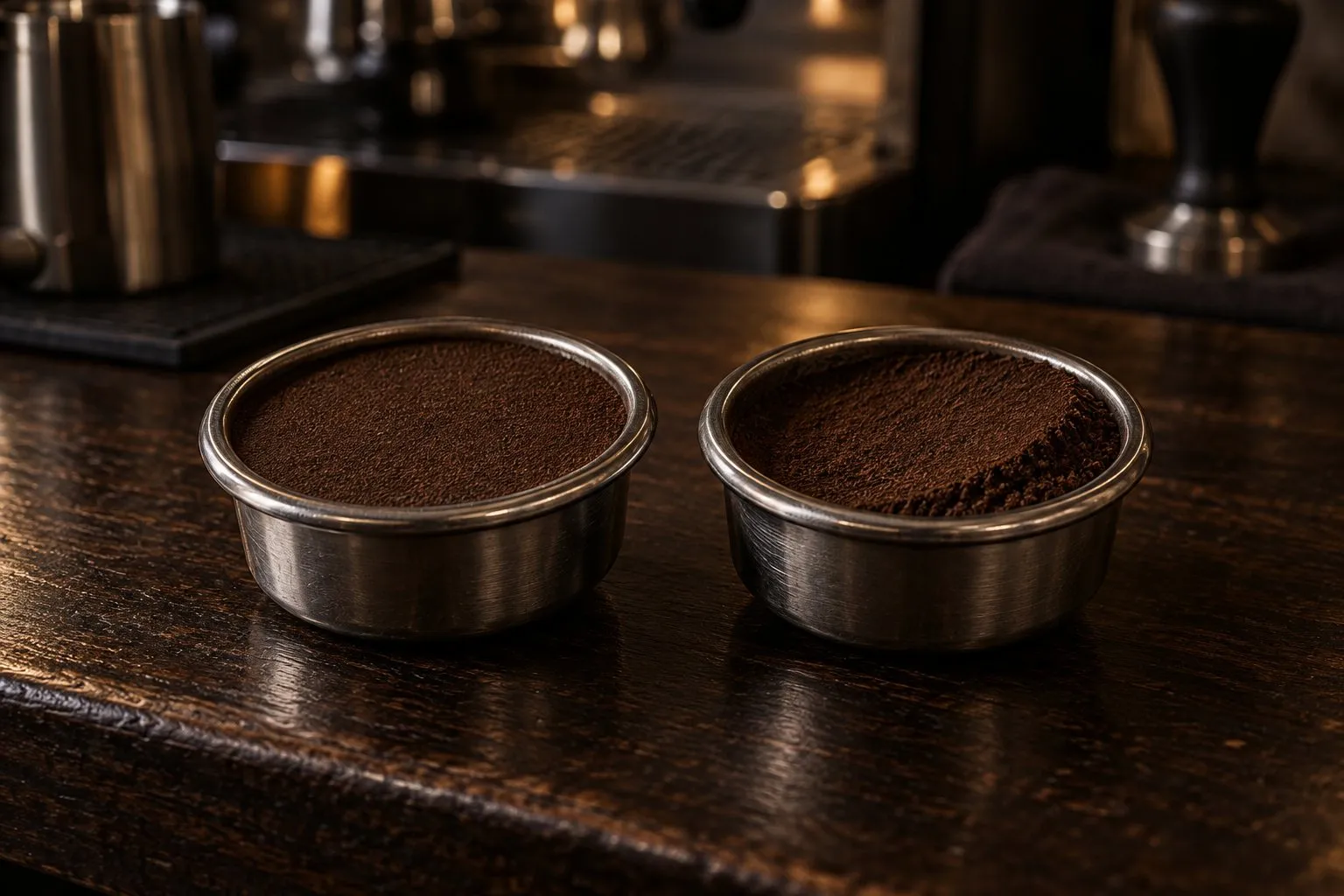 Express vs ImpressBarista Express or Impress? Same 54 mm portafilter, PID and 9 bar extraction. What the tamp lever, 25 grind settings and dose correction change, and what not.
 Barista ExpressBreville Barista Express BES870XL: grinder, PID, 54 mm portafilter and care from Breville's own documents, and who should buy something else.
- Steam milkHow to steam milk at home: purge, stretch 5 to 10 seconds, spin, stop near 140 to 145 °F. Steps, the temperatures sources disagree on, and fixes for big bubbles.
semiautomaticespressomachine.com Editorial Team
Espresso gear & shot craft
We are the editorial team at semiautomaticespressomachine.com. We read maker spec sheets, manuals, standards and published research on espresso and turn them into plain-English buying advice, with sources on every page. We do not run lab tests, and we say so openly.
- Spec sheets & standards read
- Sources on every page
- No lab tests – stated openly
- Publisher details in the imprint