Semi-Automatic vs Manual (Lever) Espresso Machines: Why Amazon Calls Pump Machines Manual
On a true manual machine, your arm makes the pressure with a lever. On a semi-automatic, an electric pump makes it. The confusion comes from the shelf: De'Longhi, Smeg and Amazon's category all use “manual” for pump machines. So ask one question of any listing: is there a pump? If so, it's a semi-automatic, whatever the title says.
Disclosure: This page contains affiliate links (marked with *). If you buy through them, we earn a small commission at no extra cost to you. As an Amazon Associate I earn from qualifying purchases. Learn more
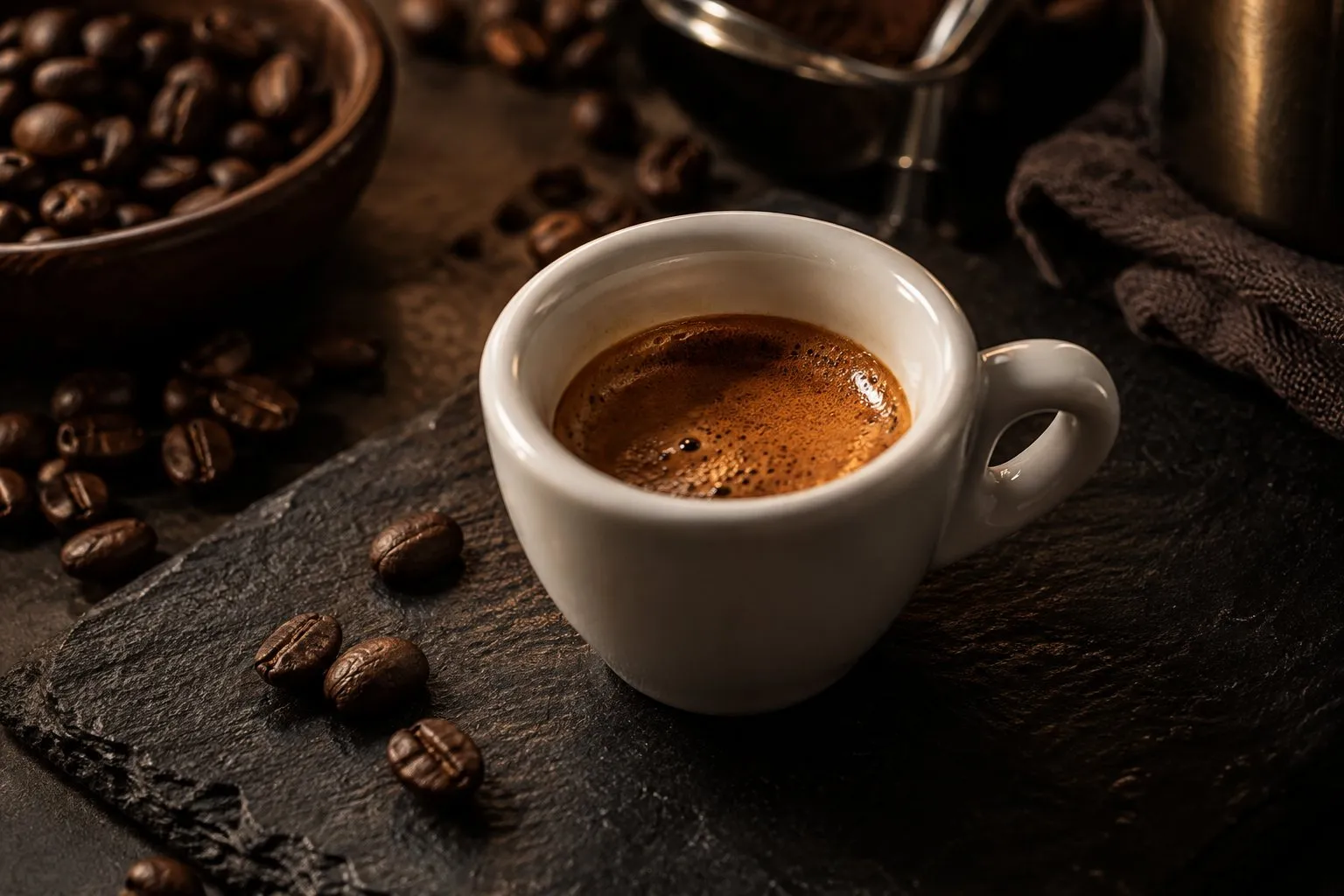
A manual, or lever, espresso machine has you generate the brewing pressure by hand. A semi-automatic has an electric pump, and you grind, dose, tamp, and start and stop the shot. Many machines sold as “manual” are pump machines, such as the De'Longhi Stilosa. If a listing names a bar rating for a pump, it's a semi-automatic in the sense this site uses.
On this page
The short verdict
If you came here shopping for a “manual espresso machine” on Amazon, odds are you're looking at semi-automatics with a different label. That's fine, because a pump machine is what most people want. If you truly want to make the pressure with your own arm, you're after a lever machine, and that's a small and separate world.
For a first machine, we'd start with a pump, such as the Breville Bambino*. We compare by maker pages and published reviews, and we run no trials of our own.
Three things “manual” can mean
| Who says it | What they mean | Who makes the pressure |
|---|---|---|
| America's Test Kitchen, and the trade | A hand-operated lever generates the pressure | You |
| America's Test Kitchen, on small portable makers | A pump you press by hand on the side of the device | You |
| De'Longhi's shelf, for the Stilosa | A pump machine, listed with a 15 bar pump | An electric pump |
| Smeg, for the EMC02 | “Espresso Manual Coffee Machine,” listed with a 15 bar pump | An electric pump |
| Ninja's ES601ANZ guide | An assisted Luxe Café | The machine |
| Amazon's category | Includes the Stilosa and a Smeg model | Check the listing |
So the same word covers a device with no motor and a machine that picks your grind for you. Neither De'Longhi nor Smeg defines it on the pages we read. Smeg's page mentions dispensing coffee manually among its brew modes, which suggests the word points to who stops the shot and not to who makes the pressure.
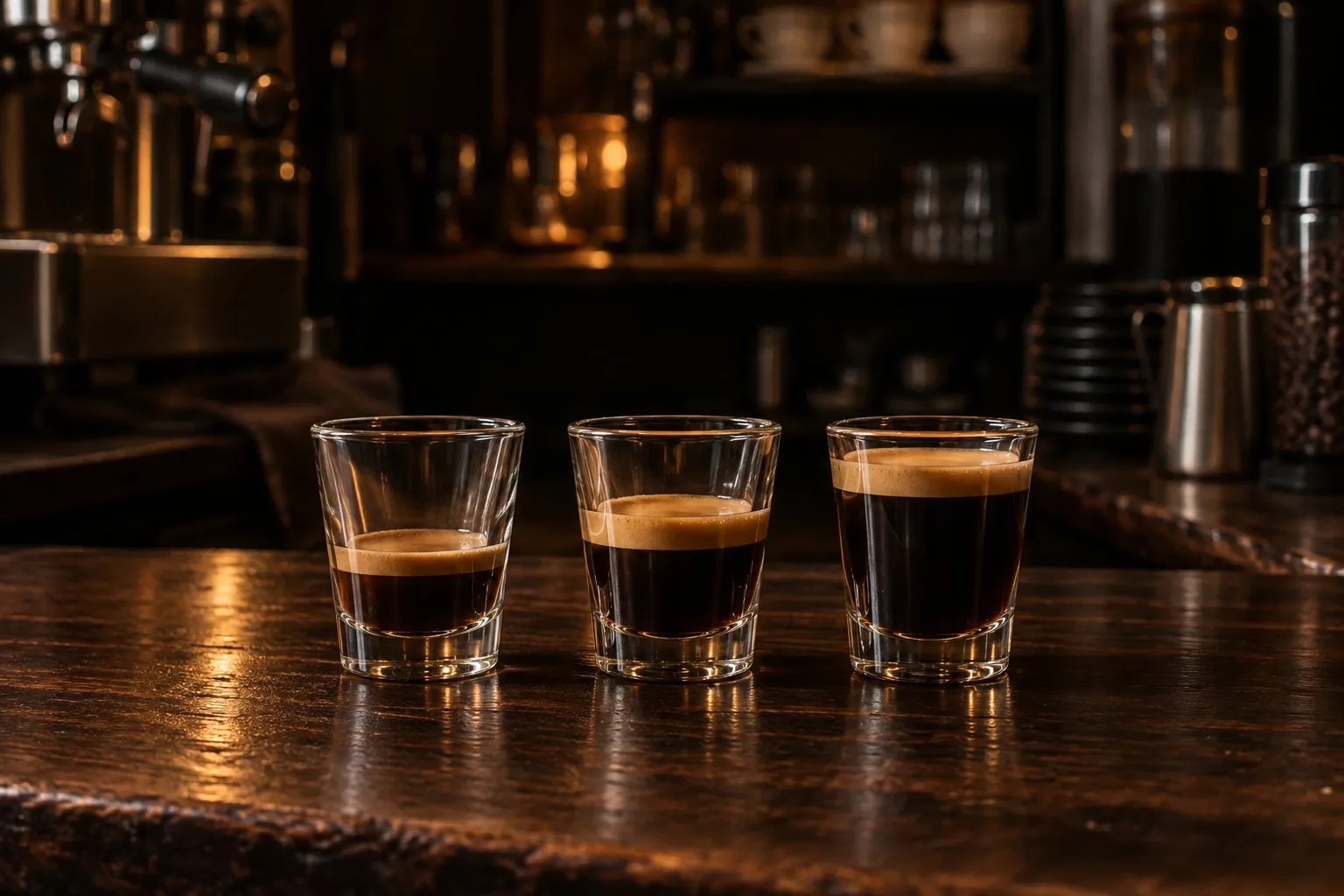
The cup can't tell you what made the pressure. The spec sheet can.
Semi-automatic vs lever, point by point
Here's the definition this site uses. A semi-automatic espresso machine is a pump-driven espresso machine in which you grind, dose and tamp the coffee yourself and start and stop the shot, while the machine supplies the water pressure and temperature.
| Point | Semi-automatic | Manual lever |
|---|---|---|
| Pressure | Electric pump | Your arm, on a lever |
| Hot water | Machine heats it | On the lever makers America's Test Kitchen covers, you add hot water yourself |
| Steam | Usually a wand or automatic frother | Not covered in the reviews we read, so check the model |
| Repeatability | The pump does the same job each time | Up to your technique |
| Learning curve | Grind, dose, tamp and timing | All that, plus the pull |
| Portability | Stays on the counter | Some are small enough to travel |
America's Test Kitchen's manual maker roundup, updated July 9, 2025, favors the Cafelat Robot, a lever design, and says you'll need to tinker with it. It says the Robot yields about 1 oz. It could not recommend the hand-pump style, because those took too much arm strength. Serious Eats, in a copy dated May 2, 2023, says semi-automatics are easier to operate than manual machines, and explains that “pulling a shot” comes from the days of spring-loaded levers.
We don't carry any lever machines in our product list, so we can't offer you a documented pick. Those two reviews are a better starting point.
What about the pressure?
Listing titles love to mention a bar rating, and the Smeg's is in its title. The 15 or 20 bar on the box is what the pump can reach. Espresso is brewed at about 9 bar. Breville's Barista Express Impress page lists a 15 bar pump and 9 bar extraction next to each other, and 15 bar vs 20 bar covers why. So a pump rating tells you that a pump exists, and that's the fact you need here. On a lever, the pressure is in your hands, which is the appeal and the catch.
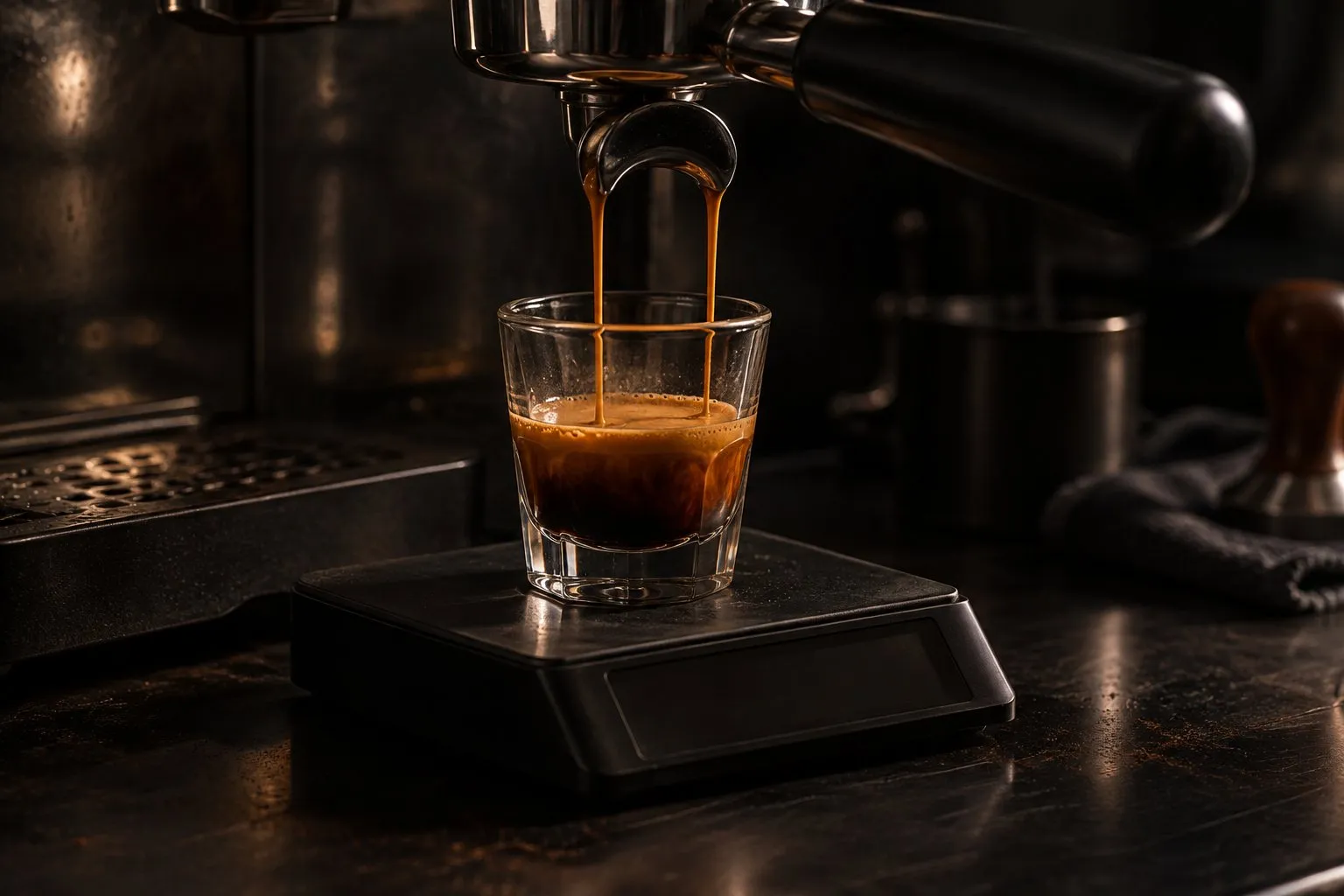
What stays the same on both
Lever or pump, you're still after a dose, a yield and a taste. A scale works the same way on either one, and so does a good grinder. Weigh in, weigh out, and adjust by what's in the cup, as our dial-in guide describes. That's the part of the hobby that carries over if you ever switch.
How to tell what you're buying
Check these in a listing or on a maker's page:
- A bar rating for a pump, or a wattage for one. That means an electric pump.
- A steam wand and a water tank. Most likely a machine that heats its own water, and the Stilosa lists both a tank and hot water.
- The word “lever.” Read closely, because Smeg's US page lists a lever among its controls and still has a 15 bar pump.
- Who stops the shot. That's where semi-automatic and “automatic” part ways, as semi vs automatic explains.
Pick by how you want to work
If you want to learn espresso on a documented pump machine, with a grinder of your choice → Breville Bambino
View(paid link to Amazon, opens in a new tab)Ad · paid link · check price & delivery on AmazonIf you want a budget first machine from a brand you already know, and know that “manual” here means a pump → De'Longhi Stilosa
View(paid link to Amazon, opens in a new tab)Ad · paid link · check price & delivery on AmazonIf you're set on this brand and its look → Smeg manual espresso machine · Seller data only
View(paid link to Amazon, opens in a new tab)Ad · paid link · check price & delivery on AmazonIf you'd rather not do the steps at all
The Smeg listing's card shows seller data only. We read Smeg's EMC02 page, and De'Longhi's EC260BK page for the Stilosa, and Amazon's titles don't name those model numbers, so check that the model matches before you rely on what either maker publishes.
New to all this? What a semi-automatic is starts from the beginning, our history page covers the lever years, the start page sorts machines by what you drink, and how we compare explains our sources.
Asked at the bar
What is a manual espresso machine?
In the trade, it's a machine where you generate the pressure yourself, usually with a lever. America's Test Kitchen defines it that way. On retail shelves, the word is also used for pump machines. So check for a pump before you assume which kind a listing means.
Is the De'Longhi Stilosa a manual machine?
It's sold as one, and De'Longhi files it under Manual Espresso Machines. But De'Longhi's own page lists a 15 bar pump, so the machine makes the pressure and you don't. By this site's definition, that makes it a semi-automatic. The word on the box tells you where it's shelved, not how it brews.
Is a lever espresso machine better than a semi-automatic?
We found no neutral comparison that settles it. A lever gives you direct control and takes practice. A pump gives you repeatable pressure with less effort, and Serious Eats calls semi-automatics easier to operate than manual machines. America's Test Kitchen says its favored lever maker needs some tinkering. Choose by how much of the job you want in your hands.
Why do Amazon listings call pump machines manual?
Amazon has a Manual Espresso Machines category, and pump machines such as the Stilosa and a Smeg model are filed there. The word often seems to mean “not a super-automatic,” though we found no official definition from Amazon. Treat the label as a sorting term and read the spec for a pump.
Where this comes from
- America's Test Kitchen: espresso machines, July 2, 2025
- America's Test Kitchen: manual espresso and coffee makers, updated July 9, 2025
- De'Longhi: Stilosa EC260BK product page
- Smeg: EMC02 espresso machine, US page
- Serious Eats roundup, read through a Yahoo copy dated May 2, 2023
- Breville: BES876 product page, on 15 bar pump and 9 bar extraction
Next round
- Semi vs automaticSemi-automatic vs automatic espresso machines: “automatic” means different things by brand. How to read a spec sheet, what to ask instead, and who should pick which.
- Semi vs super-automaticSemi-automatic or super-automatic? What each machine leaves to you, how price class and cleaning differ, what is known about the cup, and who should pick which.
- What Is a Semi-Automatic Espresso Machine? What You Do and What the Machine DoesWhat semi-automatic means on an espresso machine: what you grind, dose, tamp and stop yourself, what the machine handles, and how to read confusing listing names.
 De'Longhi StilosaDe'Longhi Stilosa EC260BK: a budget pump machine sold as “manual”. What De'Longhi states, what its page leaves out, who it suits, and what to look at instead.
- 15 Bar vs 20 Bar: Is the Bigger Number Better?Is a 20 bar espresso machine better than 15 bar? No: the box shows what the pump can reach, and espresso is brewed at about 9 bar. What to compare instead.
semiautomaticespressomachine.com Editorial Team
Espresso gear & shot craft
We are the editorial team at semiautomaticespressomachine.com. We read maker spec sheets, manuals, standards and published research on espresso and turn them into plain-English buying advice, with sources on every page. We do not run lab tests, and we say so openly.
- Spec sheets & standards read
- Sources on every page
- No lab tests – stated openly
- Publisher details in the imprint